Get Factory Bulk Quote & Free 3D Mockup
0%

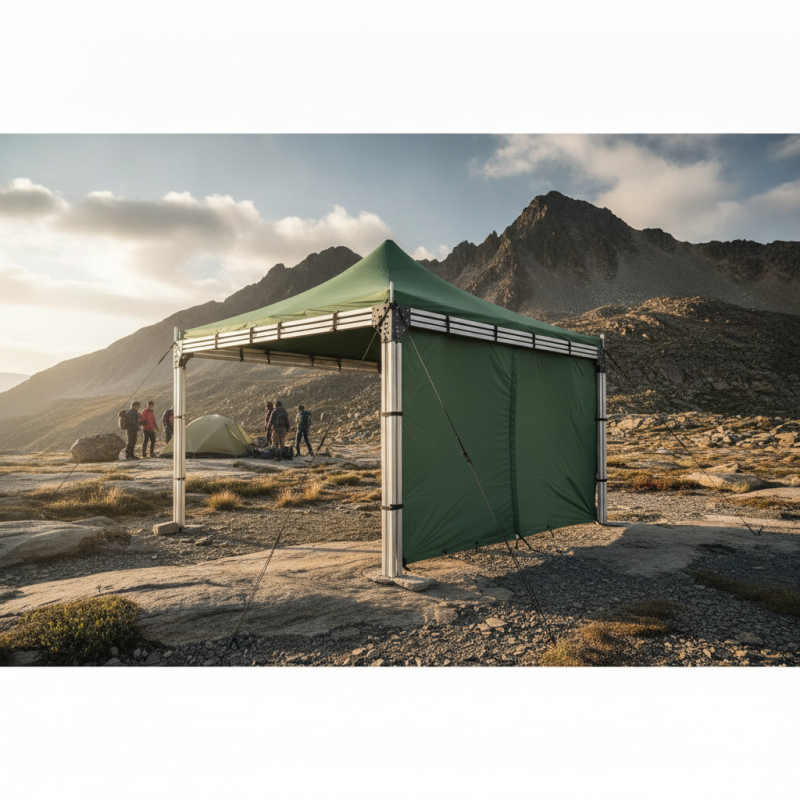
So, when you're trying to pick out the perfect reinforced tent, it’s really worth thinking about a few key things that match what you actually need. These tents are pretty amazing—they’re built to last and keep you protected, even when the weather decides to throw a tantrum. The real magic happens because of the materials they’re made from and their clever design features, giving them a big edge over your average tent.

Picture this—your next outdoor get-together. Are you planning to set it up somewhere it's gonna be windy? If yes, then a good quality reinforced tent can be a total game-changer. For example, companies like TentCraft are pretty well-known for their outdoor gear expertise. They have options like the Portable Canopy Tent 10x10. It’s lightweight enough to carry around but sturdy enough to handle all kinds of conditions—perfect for a bunch of different events.

Honestly, choosing the right tent isn’t always a walk in the park. With so many options out there, it can sometimes get super confusing. What works perfectly for one event might totally miss the mark for another. That’s why it’s so important to think about your specific needs and what you’re hoping to get out of your tent. And don’t forget—take a good look at the features! Make sure they line up with what you expect and really suit your situation.

2026 How to Choose the Best Reinforced Tent for Your Needs?

Understanding Reinforced Tents: Key Features and Benefits

Reinforced tents are essential for various outdoor activities. Understanding their key features can significantly enhance your experience. A study by the Outdoor Industry Association highlights that 73% of campers assess durability before purchase. This underscores the importance of reinforced materials. Heavy-duty fabrics, such as ripstop nylon or polyester, are commonly used. These materials can withstand harsh weather and resist tearing.


Another critical aspect is the tent’s frame structure. Many reinforced tents utilize fiberglass or aluminum poles. These provide stability against wind loads. According to a report from the American Camping Association, wind resistance is a major concern for 60% of campers. A sturdy frame ensures that your tent remains secure in unpredictable conditions. It’s wise to consider the weight of the tent as well. Lighter tents are easier to transport but may compromise durability.


Also, think about waterproof ratings. A tent with a higher hydrostatic head is better for wet conditions. However, it can lead to higher costs. This trade-off is a crucial consideration for budget-conscious buyers. Additionally, ventilation options should not be overlooked. Poor airflow can lead to condensation inside the tent. Reflecting on these factors will guide you in making an informed decision.

Identifying Your Specific Needs for a Tent

2026 How to Choose the Best Reinforced Tent for Your Needs?

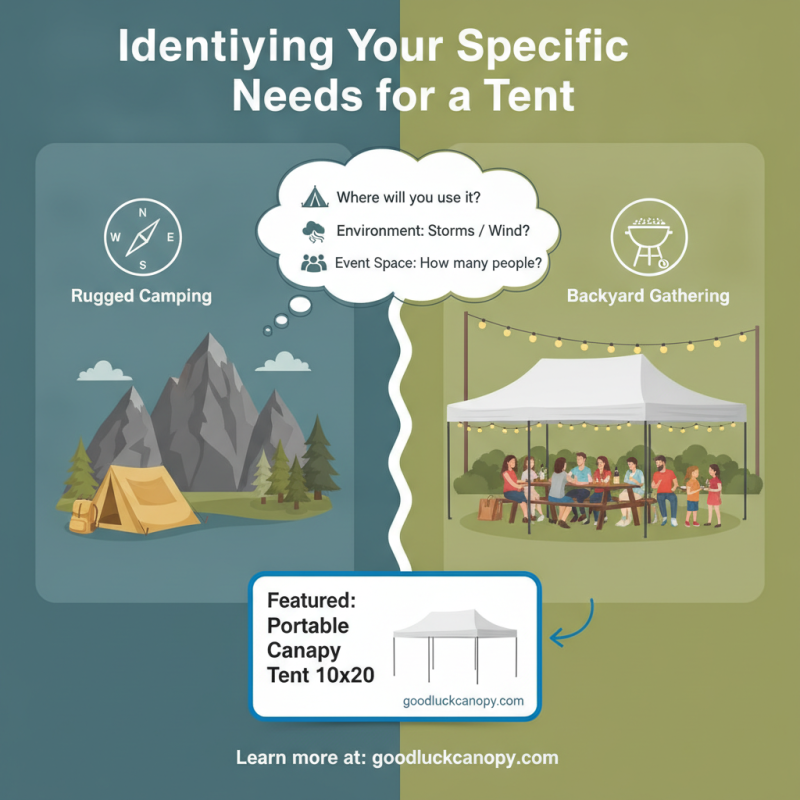
Choosing the right tent begins with understanding your unique needs. Consider where you plan to use it. Is it for rugged camping or a backyard gathering? The environment plays a crucial role. A Portable Canopy Tent 10x20 offers ample space for events, but is it adaptable for storms or strong winds?

Reflect on the size of your group. A larger gathering may require more room, while solo camping could benefit from a smaller, lightweight option. Think about your comfort too. Will you need extra space for gear or furniture? Different activities demand various features in a tent. Are you prepared for unexpected weather conditions?

Quality materials matter, but they also influence cost. Sometimes, lower-quality tents result in disappointing experiences. Durability is essential, yet often overlooked. Researching what others have faced can provide insights. Balancing quality, size, and your budget is crucial. It’s okay to question what you prioritize most. Sometimes, the best choice isn’t the flashy option, but the one that truly meets your needs.

Materials Matter: Types of Fabrics Used in Reinforced Tents

When selecting a reinforced tent, the choice of fabric is crucial. Various materials offer different benefits and drawbacks. For example, polyester is lightweight and dries quickly, making it suitable for wet climates. On the other hand, nylon is strong and durable but can be heavier, which may not suit every situation.

Tip: Always consider the climate before choosing your tent material. If you are camping in areas with high moisture, a tent with waterproof properties is essential. Reflect on your previous camping experiences to guide your decision.

Some reinforced tents use ripstop fabric. This type of material prevents tears from spreading, adding extra durability. However, it may come at a higher cost. Think about whether the investment matches your camping frequency.

Tip: Check the tent’s specifications for breathability. In hot weather, tents that allow airflow can significantly enhance comfort. Consider your needs carefully for the best choice.

Evaluating Tent Durability and Weather Resistance

When evaluating tent durability and weather resistance, it’s crucial to focus on the materials used. High-quality fabrics can significantly enhance a tent's ability to withstand harsh conditions. Look for tents made from ripstop nylon or polyester, as these materials are often more resistant to tears and punctures. The seams should be reinforced, ensuring that water doesn’t seep through. A tent's UV coating protects it from sun damage. Without this, the fabric can degrade quickly.

Even with the right materials, consider the design features. A well-designed tent will have a strong frame that can withstand wind and heavy rain. Look for a tent with a higher waterproof rating. Tents rated for 3000mm and above typically perform well in wet weather. Easy setup is important, too. An Outdoor Pop Up Gazebo Tent can provide a quick solution when facing sudden rain. However, users should ensure they secure it properly, as strong winds can still be a challenge.

User reviews and expert insights can be invaluable. These sources often highlight common issues, like how tents hold up after multiple uses. Remember that no tent is perfect. Sometimes, you'll encounter leaks or fraying seams. Pay attention to these details when making your choice. Investing time in research can lead to a more enjoyable outdoor experience, ensuring you’re well-prepared for whatever nature brings.

Design Considerations: Size, Shape, and Layout

2026 How to Choose the Best Reinforced Tent for Your Needs?

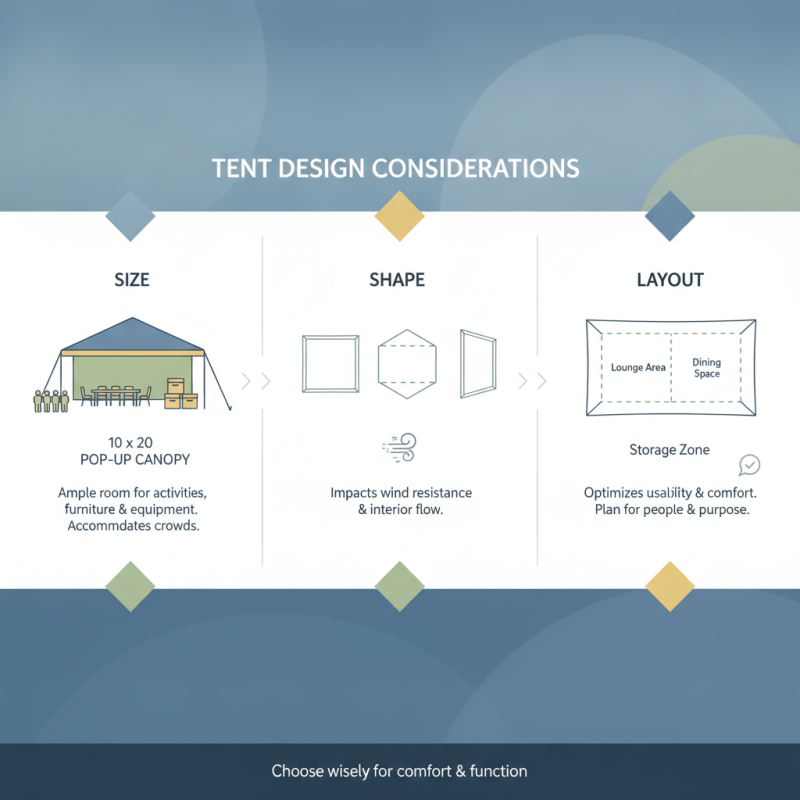
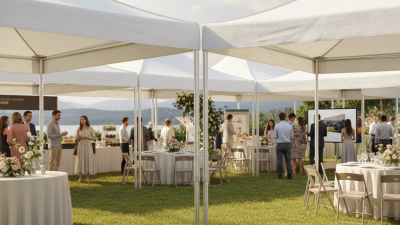
When selecting a reinforced tent, understanding the design considerations is crucial. Size, shape, and layout directly impact usability and comfort. A spacious design like a 10 X 20 Pop Up Canopy Tent provides ample room for various activities. This size accommodates tables, chairs, and equipment effortlessly. Think about how many people will use the space. A crowd can feel cramped quickly.

Shape matters too. Rectangular tents work well for larger gatherings, while square tents are perfect for flexible setups. Consider the layout. Will the tent be used for dining, activities, or storage? Planning the tent's interior can prevent chaos. Reflect on the flow of movement. It's easy to overlook traffic patterns, but they affect everyone’s experience.

Material strength is another point to consider. Not all reinforced tents have the same durability. Test your tent against wind and rain, especially in extreme conditions. The right tent should withstand the elements. Evaluate the overall design closely. Small details can lead to big issues. A careful selection process results in a more satisfying experience.

Budgeting for Your Ideal Reinforced Tent

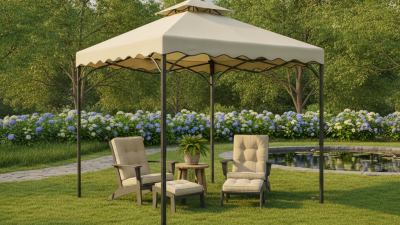
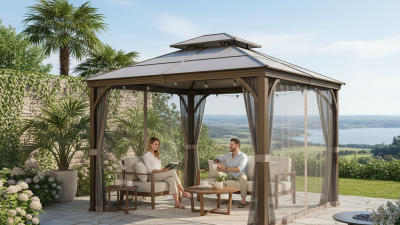
When budgeting for your ideal reinforced tent, several factors come into play. Start by determining your primary use. Will it be for camping, events, or exhibitions? Each purpose requires different features and durability levels. For instance, Outdoor Gazebo Canopy Tents may need to withstand various weather conditions, which can influence your choices. Setting a clear budget helps narrow down your options.

Consider various aspects that might affect your spending. Reinforced tents come in different materials, sizes, and designs. A larger tent is often more costly, but it offers extra space and comfort. Keep an eye on additional features like UV protection and waterproofing. These might add to the price but could save you money in the long run through increased durability.

Don’t forget about potential hidden costs. Accessories such as stakes, guylines, and weights can significantly increase your overall expenditure. Research different models and read reviews. A tent that seems perfect may reveal flaws over time. Balancing quality with price is essential in choosing the right outdoor gazebo canopy tent for your needs.

2026 How to Choose the Best Reinforced Tent for Your Needs? - Budgeting for Your Ideal Reinforced Tent

Dimension Material Capacity Weight Price Range
10' x 10' Polyester 4 People 15 lbs $150 - $200
12' x 12' Nylon 6 People 20 lbs $250 - $300
14' x 14' Canvas 8 People 25 lbs $350 - $400
16' x 20' Reinforced PVC 10 People 30 lbs $500 - $600

Where to Buy and How to Compare Options Effectively

When it comes to finding the best reinforced tent, knowing where to buy is key. Begin your search online. Websites dedicated to outdoor gear often have user reviews. These reviews give valuable insights into durability and ease of use. Compare prices across various platforms. This can help you spot the best deals.

In-person shopping can also be beneficial. Visit local outdoor shops. Speak directly with knowledgeable staff. They can provide expert advice about the tents they sell. Look at the material and construction closely. A reliable tent should feel sturdy in your hands. Check for features such as waterproofing and ventilation.

Make a list of your specific needs. Think about the weather conditions you might face. Reflect on how often you'll use the tent. This helps narrow down options. Take your time comparing details. Don’t rush just to make a purchase. A good decision often requires patience and careful thought.

2026 Best Reinforced Tent Comparison

This bar chart illustrates the performance ratings of reinforced tents across various dimensions. Each category is rated on a scale from 1 to 10, providing a clear comparison of durability, weather resistance, weight, price, and ease of setup.

FAQS

: What factors should I consider when choosing tent fabric?

: Consider the climate first. Lightweight fabrics are ideal for wet conditions. Think about previous experiences too.

Why is ripstop fabric used in tents?

Ripstop fabric prevents tears from spreading. It adds durability but may be costlier. Reflect on how often you camp.

How can I evaluate a tent’s durability?

Check the materials used, like ripstop nylon or polyester. Reinforced seams and UV protection matter, too.

What waterproof rating should I look for in tents?

A rating of 3000mm and above is recommended for wet weather. Higher ratings usually mean better protection.

Why is easy setup important for a tent?

Quick setup can be crucial in sudden weather changes. Ensure your tent is secured, especially in high winds.

What hidden costs should I budget for when buying a tent?

Accessories like stakes and guylines can add to the total cost. Be mindful of these extras while budgeting.

How can I ensure my tent choice fits my needs?

Determine the primary use, whether for camping or events. Each purpose may require different features and durability.

What role do user reviews play in selecting a tent?

User reviews can reveal long-term issues, like leaks or fraying. Always look into common problems mentioned by others.

What are the benefits of UV protection in tents?

UV protection helps prevent sun damage, which prolongs the tent's life. Without it, the fabric may degrade quickly.

Is it worth investing in high-quality tents?

Yes, quality tents often perform better in harsh conditions. However, reflect on your budget and camping frequency before deciding.

Conclusion

When selecting the best reinforced tent for your needs, it is essential to understand its key features and benefits, as well as your specific requirements. Reinforced tents are designed for durability and weather resistance, making them suitable for various outdoor activities. Consider the types of fabrics used in their construction, as material quality plays a significant role in performance.

Additionally, evaluate the tent’s size, shape, and layout to ensure it meets your space requirements. Budgeting is crucial, as prices can vary significantly based on design and materials. Finally, explore purchasing options and compare different models effectively to find a reinforced tent that fits your needs and budget. By following these guidelines, you can make an informed decision and enjoy the advantages of a high-quality reinforced tent.

Ethan

Ethan

Ethan is a dedicated marketing professional at Foshan Goodluck Tent And Outdoor Products Co., Ltd., a company that has been a leader in the outdoor advertising and display industry since its establishment in 2005. With a profound knowledge of the company's extensive range of products—including......
Previous Top 10 High Quality Wholesale Outdoor Gazebo Products You Should Consider?