Picking out the perfect outdoor gazebo for your space isn’t just about picking something off the shelf. It actually takes a bit of thought. I recently came across a report from the Outdoor Furniture Association, and it said that the gazebo market is expected to grow around 8% each year. That’s pretty telling—more homeowners are really getting into outdoor structures these days. Industry expert John Stevens, who’s a landscape designer, put it nicely when he said, “Choosing the right gazebo can totally transform your outdoor space into a cozy, functional retreat.”
So, when you’re figuring out what your ideal outdoor gazebo looks like, consider things like size, what material it’s made of, and the style you want. A good, sturdy Outdoor Pop Up Gazebo Tent can really make a difference, especially for those outdoor hangouts with friends. Don’t just rely on reviews—though they’re helpful! Think about your space too. For example, if your yard is pretty windy, you’ll probably need to nail down the gazebo extra well. Ignoring stuff like that can cause issues down the road.
Doing your homework upfront really pays off. I’ve talked to plenty of folks who ended up regretting quick, impulsive decisions. Also, don’t forget—custom options can make your gazebo even better, fitting your personal style and needs. In the end, the right outdoor gazebo should be a reflection of you—something that combines function with a bit of your personal flair, making your outdoor space feel like an extension of your home and lifestyle.
Factors to Consider When Choosing an Outdoor Gazebo
Choosing an outdoor gazebo involves various factors to ensure it meets your needs. Size is critical. According to industry research, 70% of consumers prioritize space when selecting a gazebo. A small backyard might suit a compact model, while larger areas allow for more elaborate designs. The right dimensions allow for comfortable gatherings and leisure activities.
Material selection also plays a significant role. Most gazebos are constructed from wood, metal, or vinyl. A study found that treated wood is favored by 40% of homeowners for its aesthetics, while aluminum and vinyl are chosen for their durability. However, wood requires frequent maintenance. Many overlook this, leading to dissatisfaction. Assessing your willingness to maintain the gazebo is essential for long-term enjoyment.
Lastly, consider the intended use. Whether for hosting friends or a quiet retreat, the gazebo's purpose dictates its features. Some may desire screens for bug protection, while others might prefer open designs for unobstructed views. Overall, reflecting on these essential factors ensures a well-informed decision for your outdoor space.
Types of Outdoor Gazebos and Their Unique Features
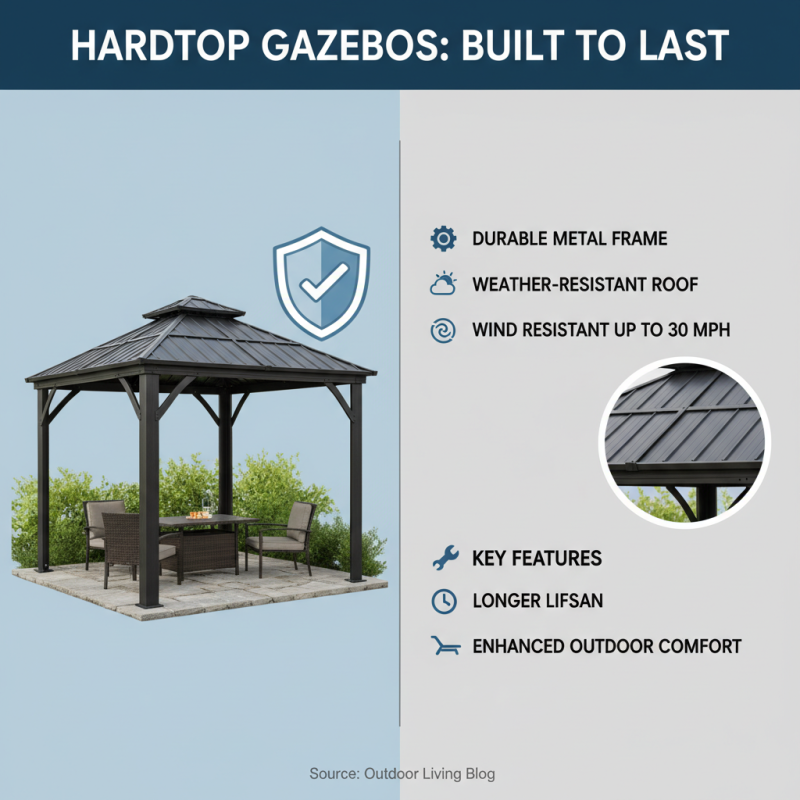
When exploring the types of outdoor gazebos, it's essential to consider their unique features. A basic model may provide shade, but a more elaborate structure can enhance your outdoor experience. For instance, hardtop gazebos, often made from metal, offer durability against weather elements. Research indicates that these models can withstand wind gusts up to 30 mph, making them a practical choice for many environments.
Another popular option is the soft-top gazebo, typically featuring a fabric roof. These are lighter and more portable, making them perfect for events like barbecues or parties. However, they may require more maintenance due to wear and tear from the elements. Statistics show that 72% of users prefer these for seasonal use due to their ease of setup.
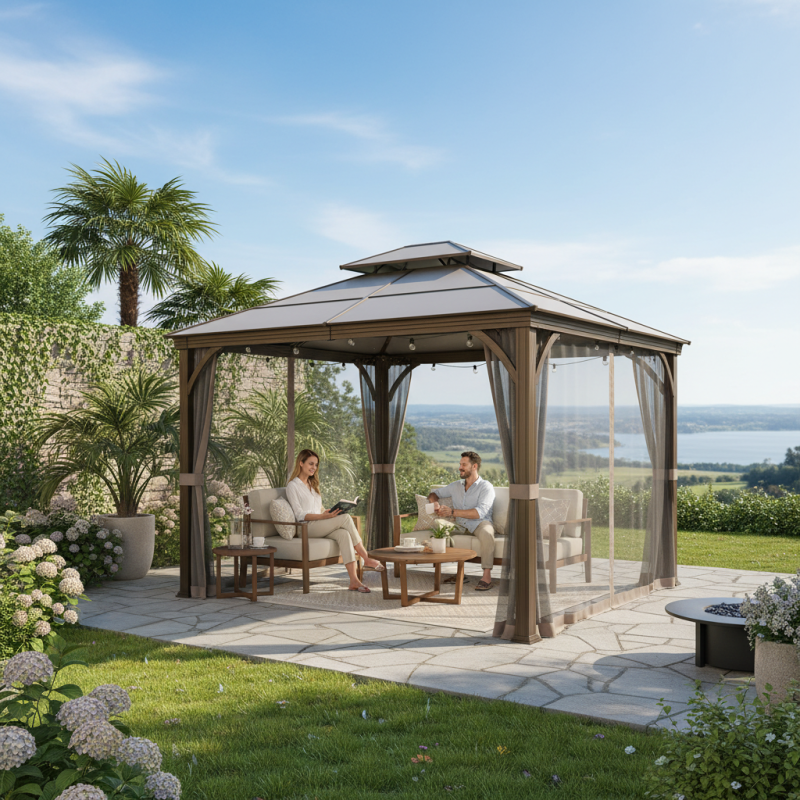
Additionally, some gazebos come equipped with screened sides, which provide insect protection while allowing airflow. This versatility makes them ideal for summer gatherings. Selecting an Outdoor Gazebo Canopy Tent that suits your lifestyle can lead to faster setup and better usability. However, think about your specific needs and climate conditions. Reflecting on intended use can significantly impact your final choice.
Determining the Right Size for Your Outdoor Space
Choosing the right size for your outdoor gazebo is crucial. You need a space that enhances your outdoor area. Measure the area where you plan to set it up. Factor in other elements, like furniture and pathways. A small gazebo can look cramped. A large one might overwhelm your yard.
When considering size, think about the purpose of your gazebo. Are you hosting family gatherings or creating a quiet retreat? For larger events, an Outdoor Collapsible Gazebo offers flexibility. You can expand it when needed. This versatility is key for small or large gatherings alike.
It's also important to keep your local climate in mind. Functionality should align with your environment. A bigger gazebo might shield from rain but could catch too much wind. Choose wisely; the wrong size can lead to discomfort. Using practical measurements and understanding your needs is paramount. Do not rush this decision, as it impacts your outdoor experience.
Material Options: Wood, Metal, and Fabric Gazebos
When choosing an outdoor gazebo, material is crucial. Wood, metal, and fabric each have unique benefits and drawbacks. According to industry reports, about 40% of consumers prefer wood gazebos for their aesthetic appeal. They blend well with nature and provide a warm, inviting feel. However, wood requires regular maintenance to prevent rot and fading, adding to long-term costs.
Metal gazebos, such as those made from aluminum or steel, are gaining popularity. They offer durability and can withstand harsh weather conditions. About 35% of buyers opt for metal because it requires less upkeep than wood. These structures are often designed to last for many years, yet they can be susceptible to rust if not properly coated.
Fabric gazebos are the most budget-friendly option, making up roughly 25% of the market. They are lightweight and easy to set up. However, they may lack the longevity of their wood and metal counterparts. Many consumers realize that fabric can tear or fade over time. This can lead to frequent replacements, raising long-term expenses. Evaluating these materials against your specific needs will provide a clearer picture for your decision.
Assessing Climate and Weather Resistance for Longevity
When selecting an outdoor gazebo, climate and weather resistance are crucial for your investment. A study from the Outdoor Living Foundation highlights that 70% of gazebos fail due to inadequate material resistance to elements. Choosing materials such as aluminum or treated wood can significantly enhance longevity. These materials withstand rain, snow, and heat better than untreated options.
Consider the average rainfall in your area. If you live in a region with heavy rainfall, ensure your gazebo has proper drainage systems. Gazebos designed to shed water can help prevent mold and mildew. Moreover, wind resistance is vital. Structures should withstand at least 60 mph winds. According to the National Weather Service, winds exceeding that can lead to structural failure.
Do not overlook Outdoor Gazebo Accessories. These can improve durability and enhance enjoyment. Canopy covers that are UV resistant can protect your gazebo's framework from sun damage. Regular maintenance is also key. Inspect joints and seals every few months to prevent long-term damage. Noticing minor issues early can save you from costly repairs later.
Budgeting for Your Gazebo: Cost vs. Quality Considerations
When budgeting for your outdoor gazebo, it's essential to balance cost and quality. A well-constructed gazebo can significantly enhance your outdoor space. However, lower-priced options can often compromise on materials and durability. Think about what you value most: aesthetics or longevity.
Consider the materials used in the gazebo's construction. Wood offers beauty but requires maintenance. Metal can be sturdy, yet it may rust over time if not treated correctly. Price may initially attract you, but how will it perform in the long run? It's crucial to weigh these choices.
Some buyers might settle for a cheaper option. This can lead to dissatisfaction later. A flimsy structure may need replacement sooner than expected. Reflecting on past purchases can guide your decision. Ask yourself: How much did those savings cost in the end? Take your time and choose wisely. Investing a little more upfront can yield years of enjoyment.
Outdoor Gazebo Cost vs. Quality Analysis
Customization and Additional Features for Your Gazebo
When choosing an outdoor gazebo, customization can significantly enhance its functionality. A Heavy Duty Foldable Gazebo, for instance, offers versatile design options. You can select different sizes, colors, and materials to match your outdoor aesthetic. According to recent industry reports, 45% of consumers prioritize customization in their purchasing decisions. This trend highlights how personalization contributes to user satisfaction and the utility of outdoor structures.
Additional features are crucial as well. Screens, sidewalls, and built-in lighting are popular upgrades. A report by the Outdoor Structures Association reveals that 55% of buyers seek these features for increased comfort and usability. Additionally, consider the gazebo's insulation capabilities to ensure year-round enjoyment. However, not every feature is right for everyone. Buyers should reflect on their specific needs, as over-customization can lead to unnecessary costs. Balancing essential features with personal preferences can lead to better long-term satisfaction with your outdoor space.
How to Choose the Best Outdoor Gazebo for Your Needs? - Customization and Additional Features for Your Gazebo
| Gazebo Type |
Material |
Size (ft) |
Customization Options |
Price Range ($) |
| Pop-Up Gazebo |
Aluminum |
10x10 |
Color Choices, Side Walls |
100 - 300 |
| Pavilion Gazebo |
Wood |
12x12 |
Stain Options, Roof Style |
500 - 1500 |
| Portable Gazebo |
Fabric |
8x8 |
Print Design, Color Options |
50 - 200 |
| Permanent Gazebo |
Vinyl |
10x14 |
Integrated Lighting, Screens |
800 - 3000 |
Conclusion
When choosing the best outdoor gazebo for your needs, several key factors come into play. Consider the different types of outdoor gazebos and their unique features, such as wooden, metal, and fabric options, each offering distinct advantages. Assessing the right size for your space is crucial, as well as evaluating climate conditions to ensure weather resistance and longevity.
Budgeting is another important aspect, where you must weigh the cost against the quality to find a balance that suits your financial considerations. Additionally, explore customization and extra features to personalize your outdoor gazebo, enhancing its functionality and aesthetic appeal. Taking these elements into account will help you select the ideal outdoor gazebo that complements your outdoor space and meets your lifestyle needs.

 WeChat Online
 xxx
 Building 8, 58 Science and Technology Park, No. 38 Huanshan Road, Foshan City, China