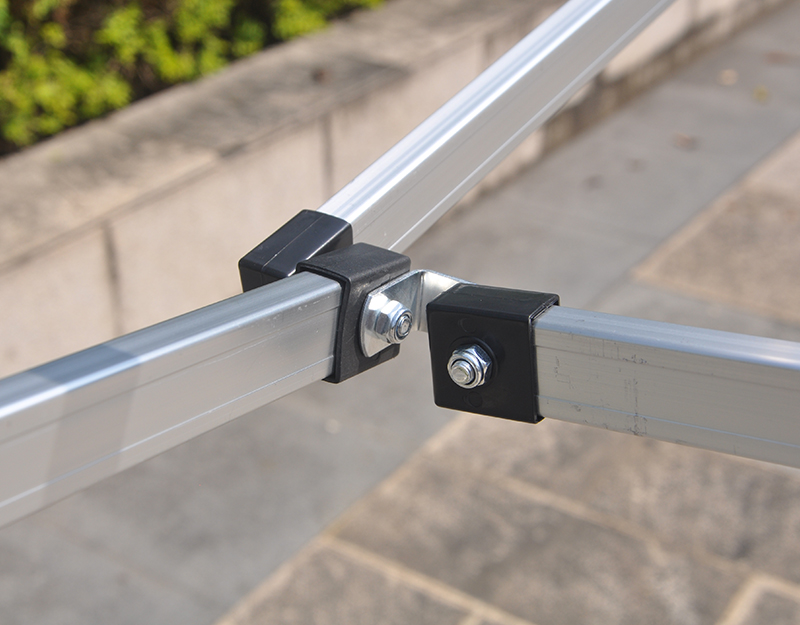
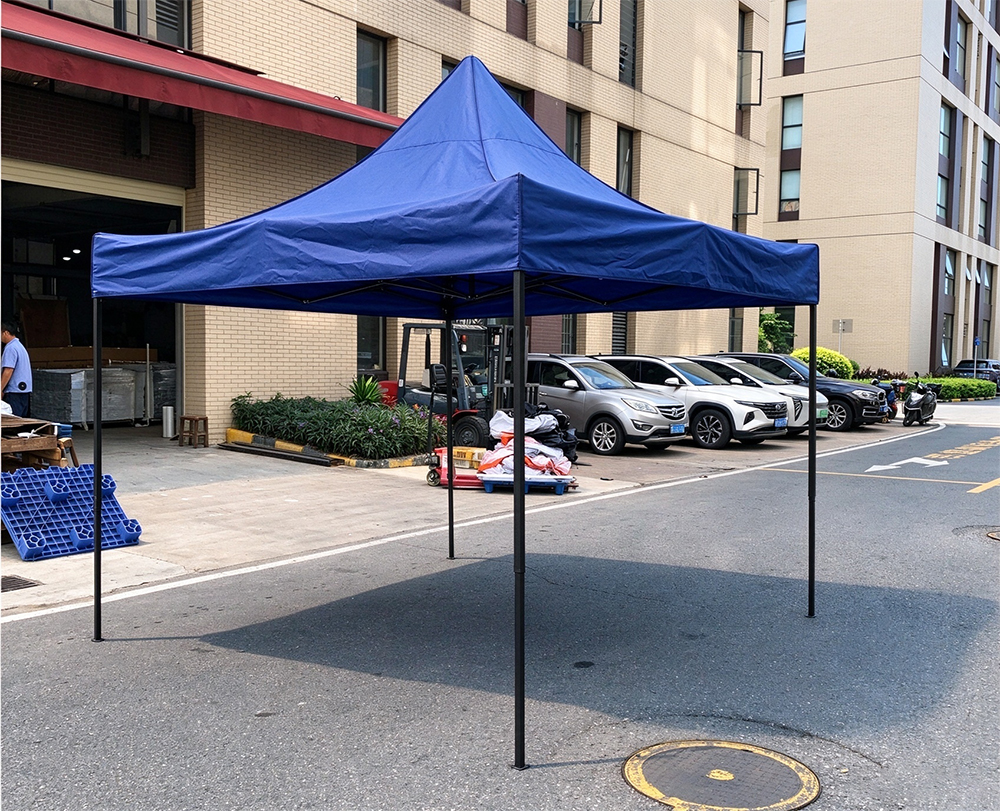
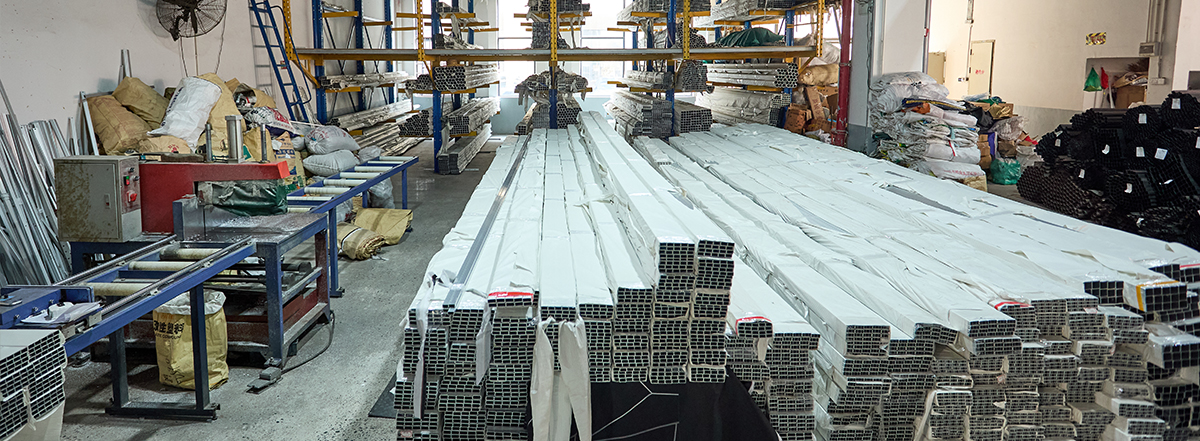
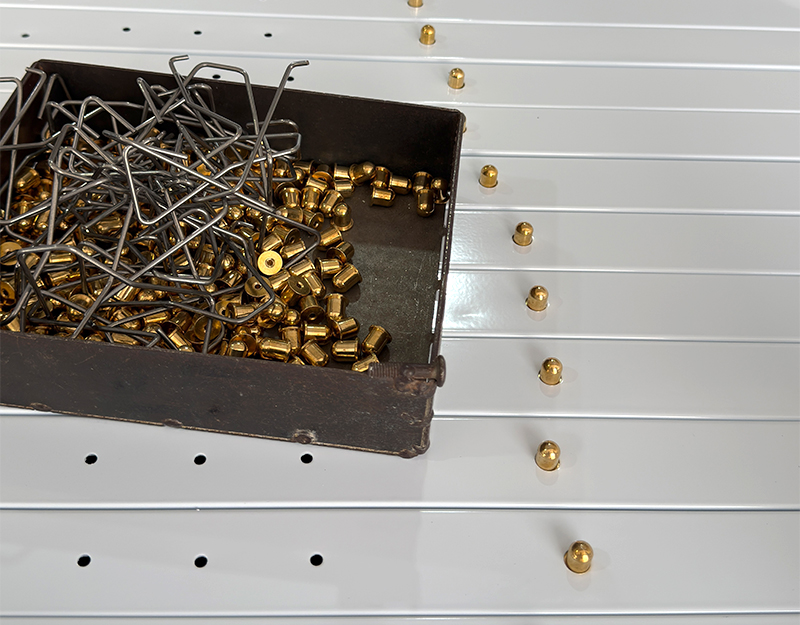
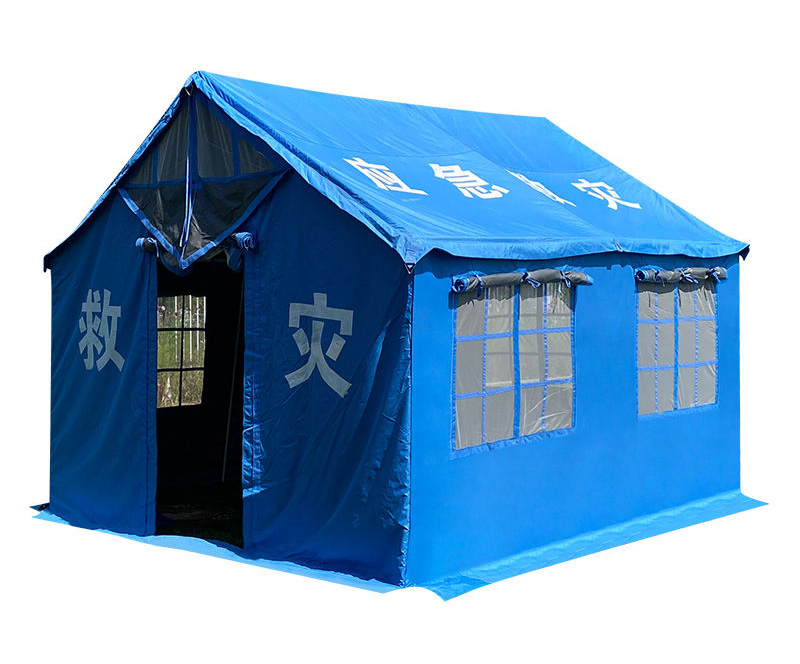
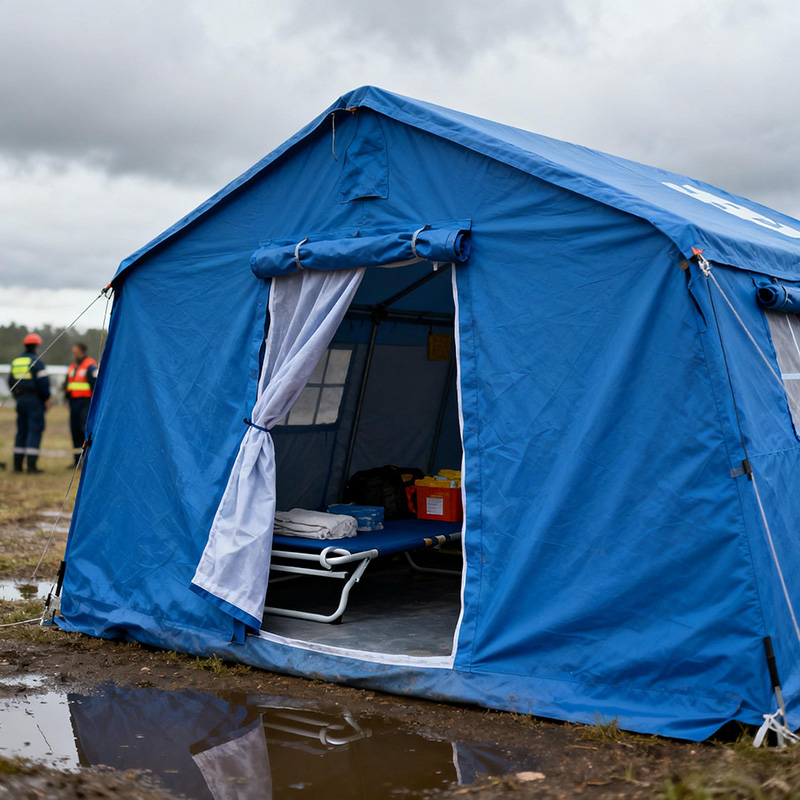
In accordance with international standards, we professionally produce and manufacture export disaster relief tents. The frame of the disaster relief tent is made of 6063-T5 aluminum alloy profiles. For special scenarios, hot-dip galvanized or powder-coated anti-corrosion treatment of Q235 low-carbon steel is adopted to prevent corrosion caused by environmental humidity. The fabric is high-strength PVC-coated Oxford cloth, with a waterproof coefficient of ≥ 800mmH2O (able to withstand moderate to heavy rain), and some high-end models exceed 1500mmH2O. It is resistant to ultraviolet rays and flame retardant; connection pieces and auxiliary accessories: ensure structural stability and prevent leakage.
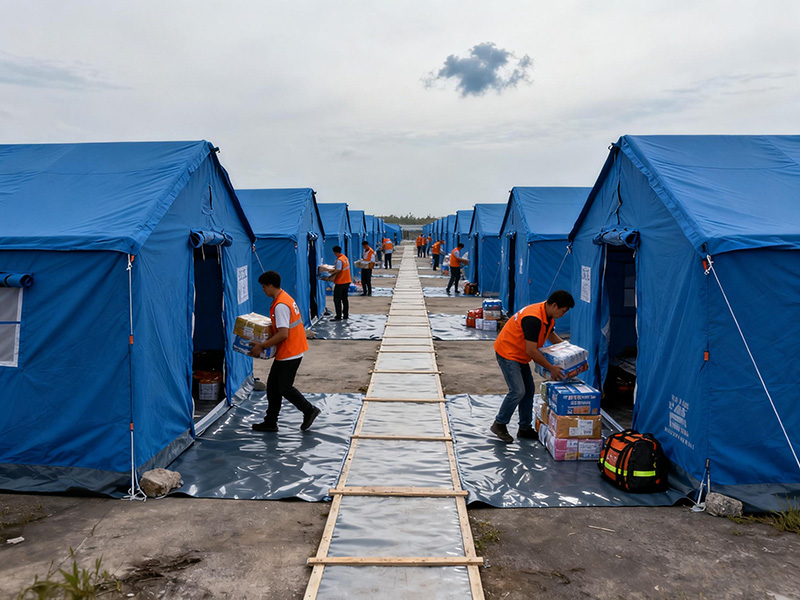
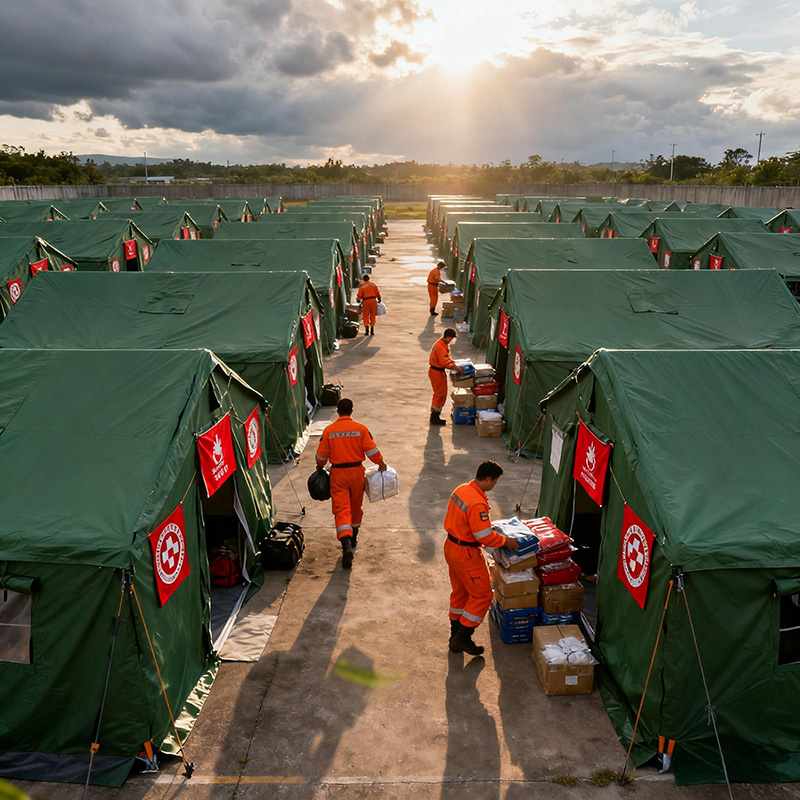
The core function is emergency sheltering and ensuring basic living conditions: This is the most fundamental function of disaster relief tents. When houses are damaged or there are safety hazards after a disaster, the tents can quickly provide temporary shelters for the affected people that offer protection from wind and rain as well as warmth and insulation, addressing the urgent need of "having a place to live". Multi-person tents (usually accommodating 4-12 people) have a reasonable layout of space, which can ensure family-style living. Some are equipped with partition curtain designs to balance privacy and warmth.
Adapt to complex environments and withstand harsh weather: Disaster relief tents need to cope with the variable natural conditions in the disaster-stricken areas, possessing strong wind resistance (usually able to withstand winds of 8-10 levels), waterproofing, sun protection, cold protection / heat insulation, etc. High-quality tents use high-strength PVC coated fabric or Oxford fabric, combined with aluminum frames (lightweight and corrosion-resistant) or steel frames (with strong load-bearing capacity), and can be used stably in extreme environments such as heavy rain, heavy snow, high temperature, and severe cold, providing safe shelter for the affected people and rescue personnel.
Quick deployment, reducing disaster relief costs: Disaster relief tents adopt a modular design, with a simple structure, requiring no professional tools. A 3-5 person team can complete the setup within 30 minutes and can respond quickly to the "golden 72 hours" rescue needs. Compared to makeshift simple sheds, its setup efficiency is increased by 5-10 times, and it can be reused (with a lifespan of 5-8 years), which can be recycled and stored after the disaster, reducing long-term emergency support costs.
The core value of relief tents lies in "providing safe and practical temporary spaces as quickly as possible", which not only meets the basic survival needs of the affected people but also provides support for the orderly conduct of rescue operations. They are the key bridge connecting disaster emergency response and post-disaster reconstruction.



 xxx


