





How to Choose an Event Tent: 5 Key Parameters to Avoid Pitfalls
Introduction
Buying a commercial event tent can be a daunting task for any event organizer or procurement manager. The market is flooded with options, prices vary wildly, and nearly every supplier claims their tent is "heavy-duty" or "100% waterproof."
If you don't want to waste your budget on a tent that leaks under heavy rain, tears in strong winds, or fails on the morning of your big event, you need to look beyond the marketing buzzwords. Choosing the right canopy requires a basic understanding of materials, construction, and even shipping compliance. Here are the 5 critical parameters you should always check before placing an order.
Part 1 – Frame Specs: Look Beyond the Tube Diameter
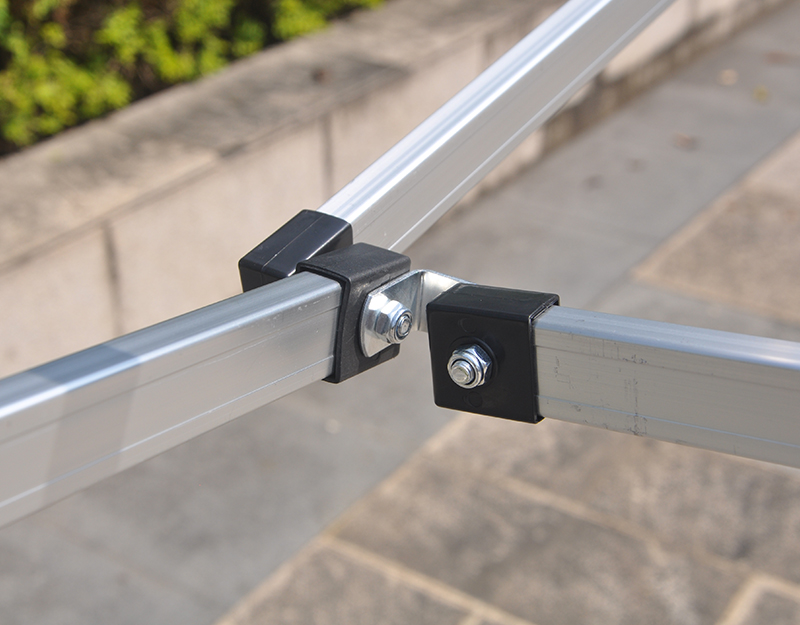
When suppliers quote you a price, they often lead with the tube diameter, such as a "40mm aluminum frame" or a "50mm frame." While the diameter matters, it's only half the story. Structural integrity depends heavily on the wall thickness, the shape of the tube, and the connector material.
What is a "Diamond Tube" and why does it matter?
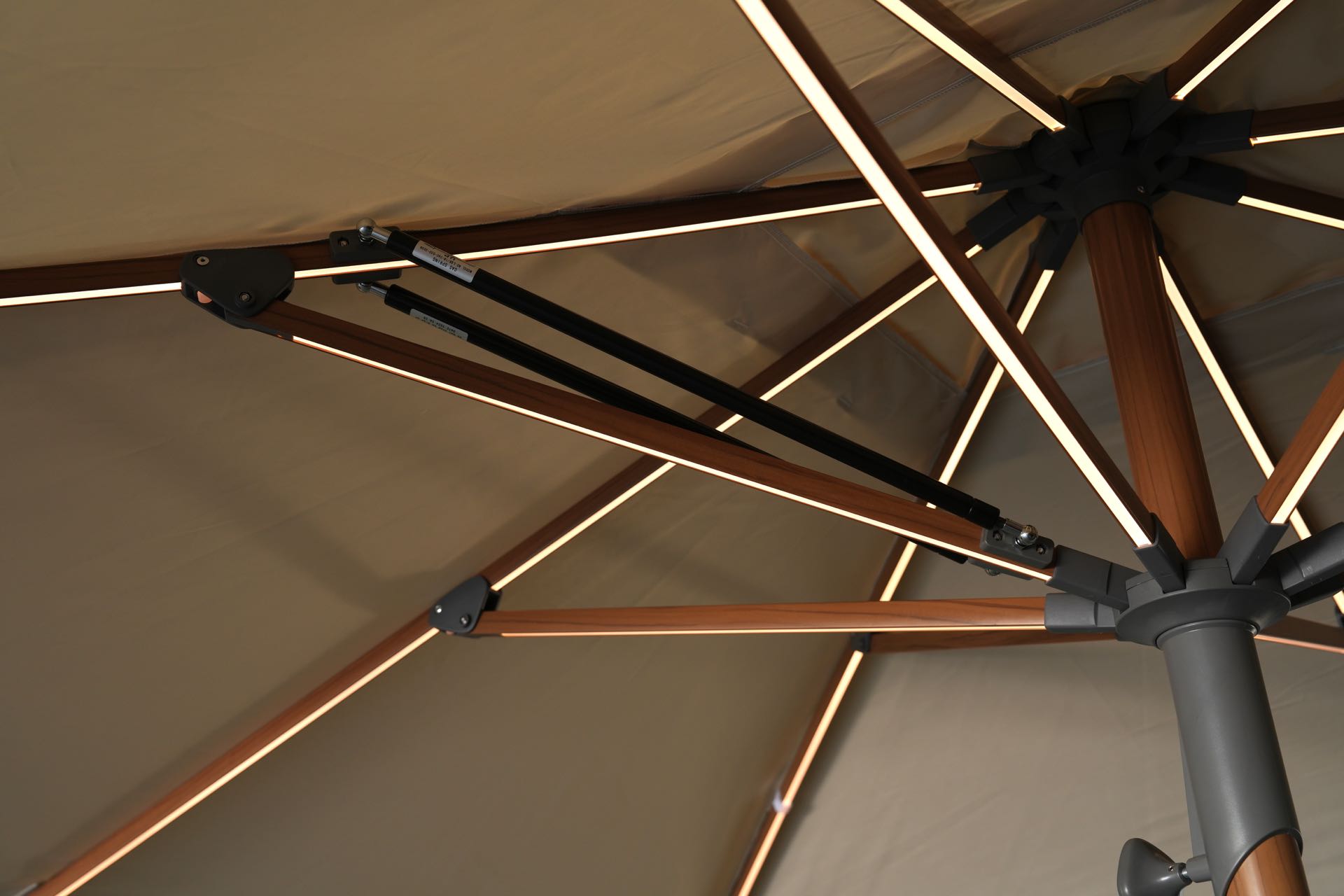
Many buyers are unfamiliar with diamond-shaped tubes. Unlike standard square or round tubes, a diamond tube features a unique geometric profile. This design significantly increases the bending strength and distributes wind loads more evenly across the frame. Visually, it also provides a sleek, modern aesthetic that looks highly professional at any event.
The Reality of Wall Thickness:
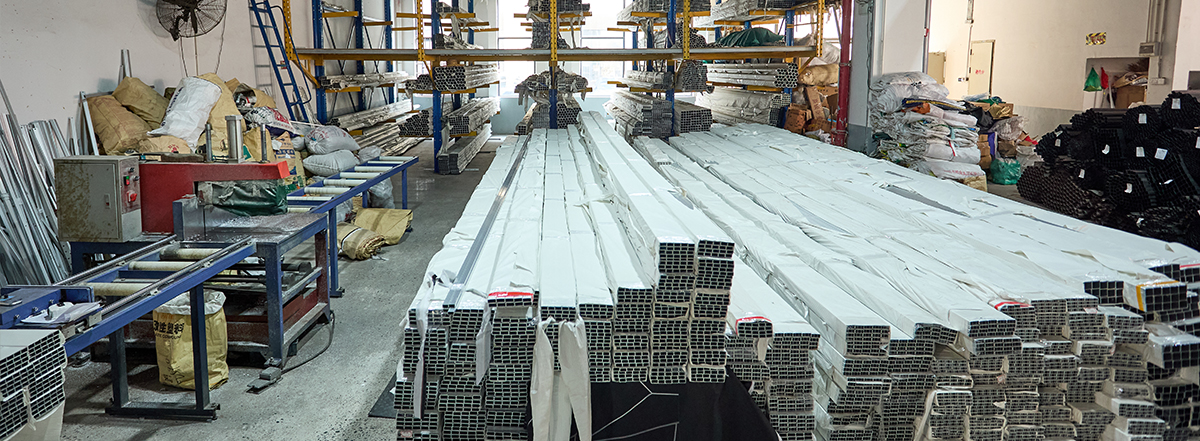
In the industry, a 40mm diamond aluminum frame with a 1.2mm wall thickness is common and performs well for short-term events. However, for high-wind areas or frequent seasonal setups, structural fatigue becomes a concern.
Goodluck Tent offers flexible options. For 40mm frames, we provide a standard 1.2mm for economical events, and a reinforced 1.5mm for high-wind environments. For our heavy-duty 50mm frames, we offer 1.7mm, full 1.8mm, and 2.0mm wall thickness options to handle the most demanding commercial rentals and large-scale sports events.
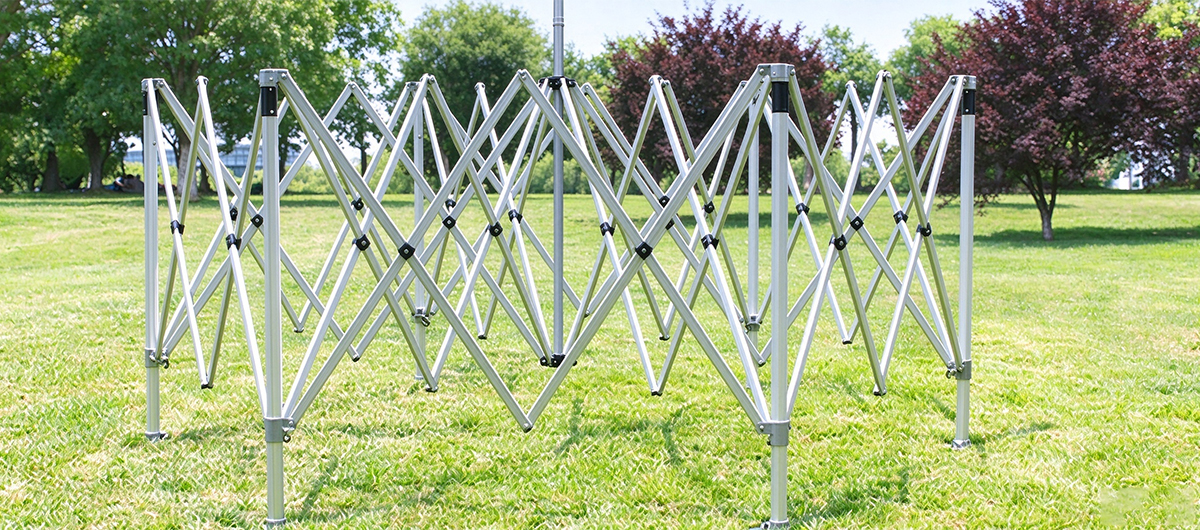
Always clarify the wall thickness based on your event intensity, and ask about the connectors. Cast aluminum or high-strength nylon connectors will make or break the frame's stability under load.
Part 2 – Flame Retardancy: The Safety Passport
For events in North America, Europe, and many other regions, fire safety is a non-negotiable legal requirement.
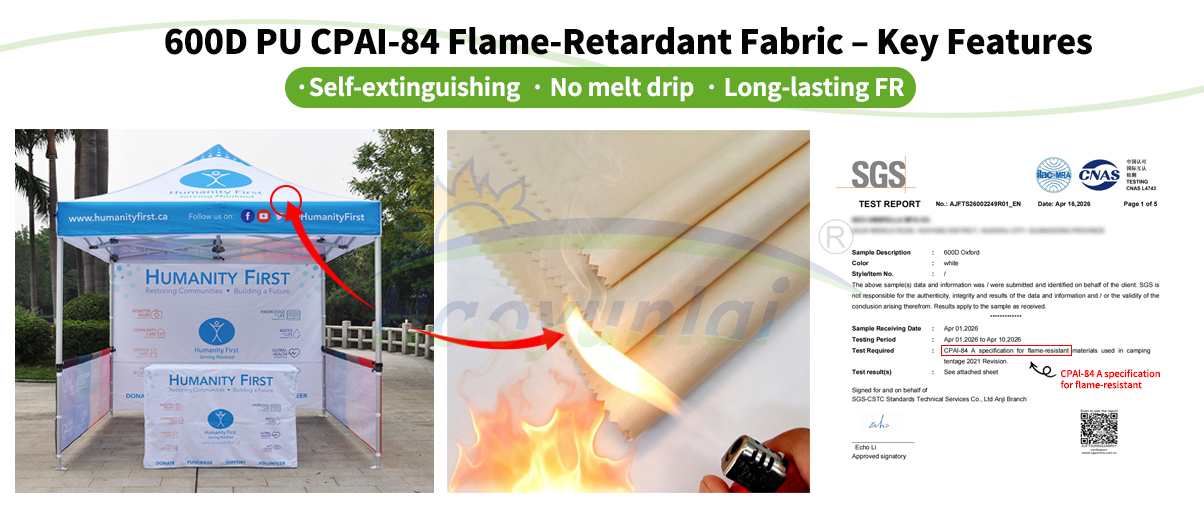
The Trap: Some budget suppliers use cheap fabric that lacks proper flame-retardant treatment. If a local fire marshal inspects your venue and finds non-compliant materials, your tent could be shut down immediately.
What to Check: Always ask for the official certification. In the US, look for CPAI-84; in Europe, check for EN 13501. Goodluck Tent's 600D PU flame-retardant fabric is fully certified, and we provide official lab reports and real-world testing videos for your procurement file.
Part 3 – Fabric Quality: Weight, Coating, and Waterproofing
Not all Oxford fabrics are created equal. The fabric is the "skin" of your tent, determining how well it protects your guests and equipment.
The Trap: Thin, cheap fabrics fade quickly under UV exposure and tear easily. Worse, they leak at the seams during heavy rain.
What to Check:
Fabric Weight: For commercial use, 300D or 600D Oxford fabric is the standard. 300D is sufficient for smaller sizes, while for larger setups like 10x20ft, 600D is highly recommended.
Coating: Ensure it has a PU or PVC coating for waterproofing.
Seam Sealing: Ask if the seams are sealed with hot-air waterproof tape. This is the most effective way to prevent water from seeping through the needle holes.
Part 4 – Hardware, Anchoring, and Base Options
Small parts matter, and the tent needs to stay firmly on the ground no matter the weather.
The Trap: Cheap plastic hubs that crack in freezing temperatures, and inadequate bases that let the tent blow away.
What to Check:
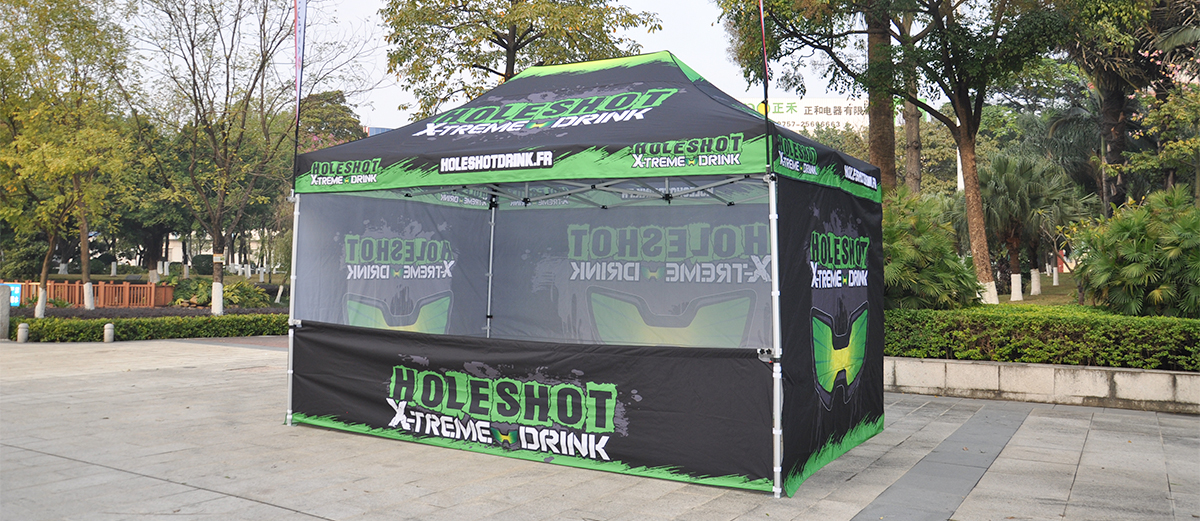
Hardware: Ask about the internal mechanisms. (For example, Goodluck Tent uses automotive-grade springs in our 50mm frames to ensure long-term durability).
Base Options: The right base depends on your venue. For grass, heavy-duty ground stakes are essential. For concrete or marble, you need heavy water-fillable bases or metal plates.
Part 5 – Packaging: The Overlooked Compliance Factor
In recent years, European and North American markets have become extremely strict about packaging materials, especially regarding environmental regulations.
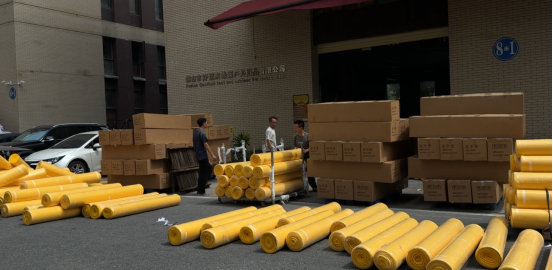
The Trap: Some factories use cheap, thin cardboard and excessive plastic wrapping, which can fail during shipping and may not meet local environmental import standards.
What to Check: Ask about the carton quality and environmental compliance. At Goodluck Tent, we use PFAS-free, 5-layer reinforced corrugated boxes to protect your goods. We also actively minimize the use of plastic and non-recyclable foam materials, ensuring our packaging meets strict Western environmental compliance standards.
Conclusion – The Power of the Right Questions
A good event tent is not just an expense; it is a long-term investment in your brand's professional image and guest safety. By asking about frame thickness, flame retardancy, fabric weight, hardware, and packaging, you can quickly separate high-quality manufacturers from cheap imitations.
If you don't want to spend hours verifying these technical details, Goodluck Tent is here to help. We provide full specifications, official test reports, and real-world case studies. Contact us today for a free consultation, and let's build a reliable shelter for your next successful event.
Final Thoughts
Explore Our Top Sellers
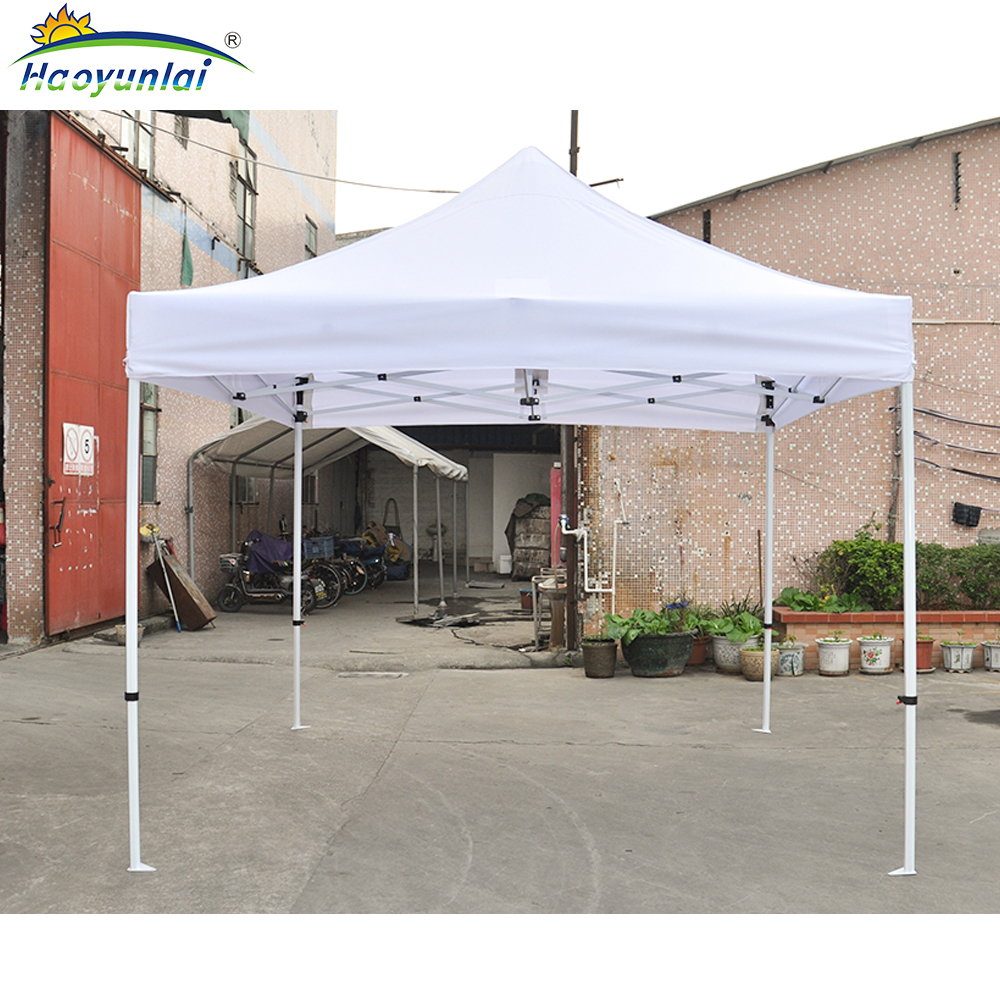 Racing Canopy - Waterproof 40mm HexIron Sport Event Tent
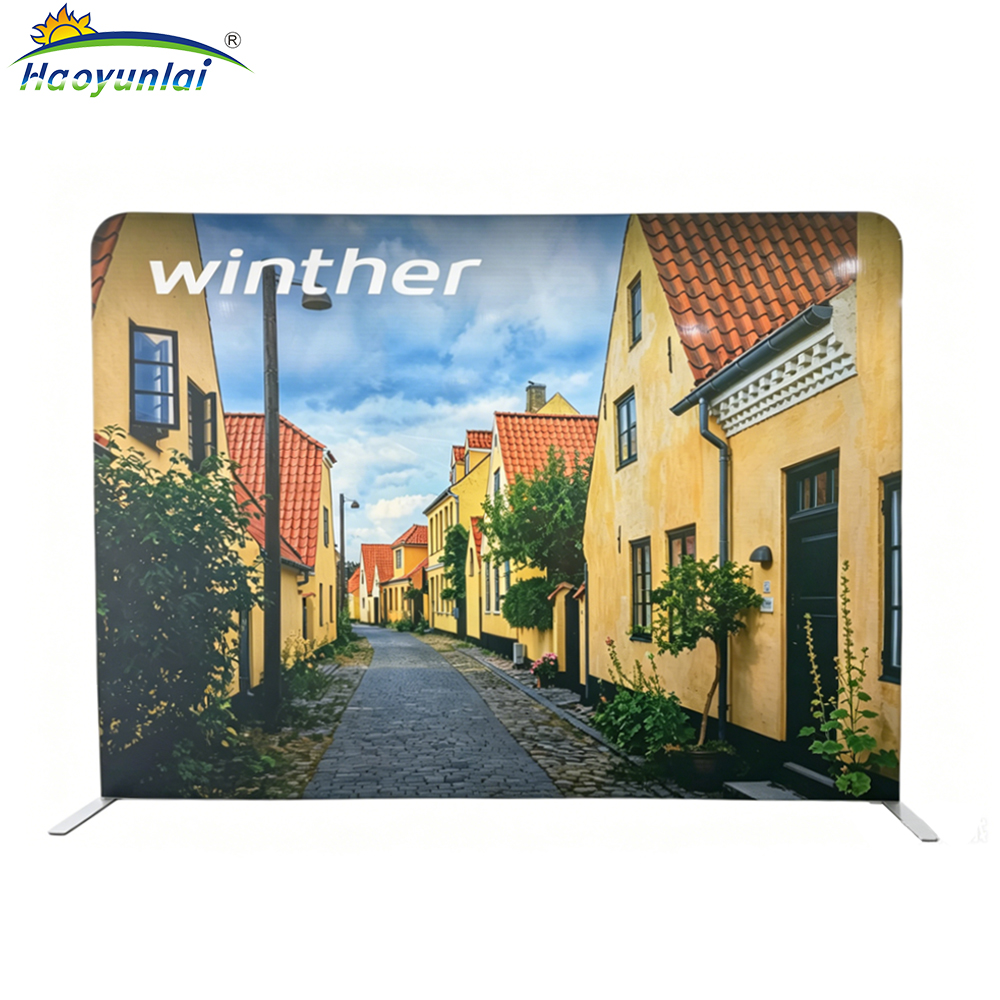 Advertising Backdrop Banner Wall
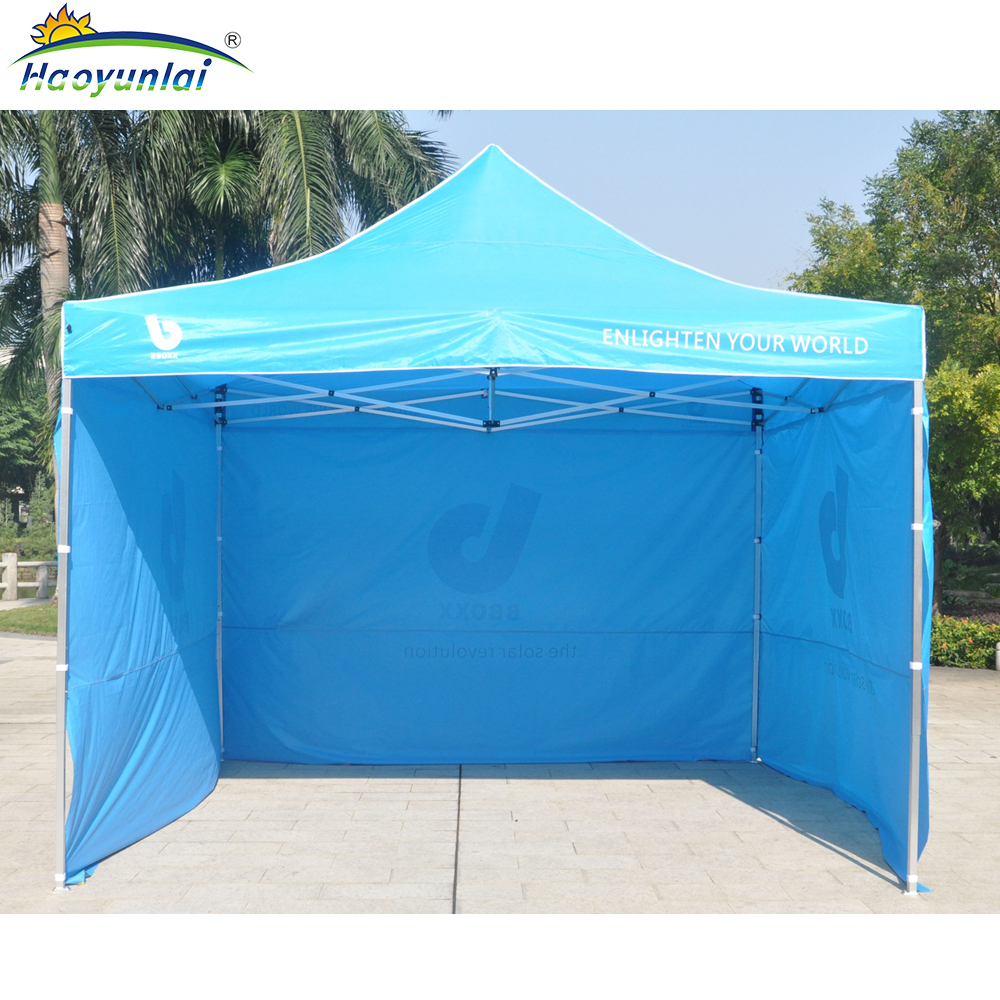 Trade Show 40mm Aluminum Sport EventTent
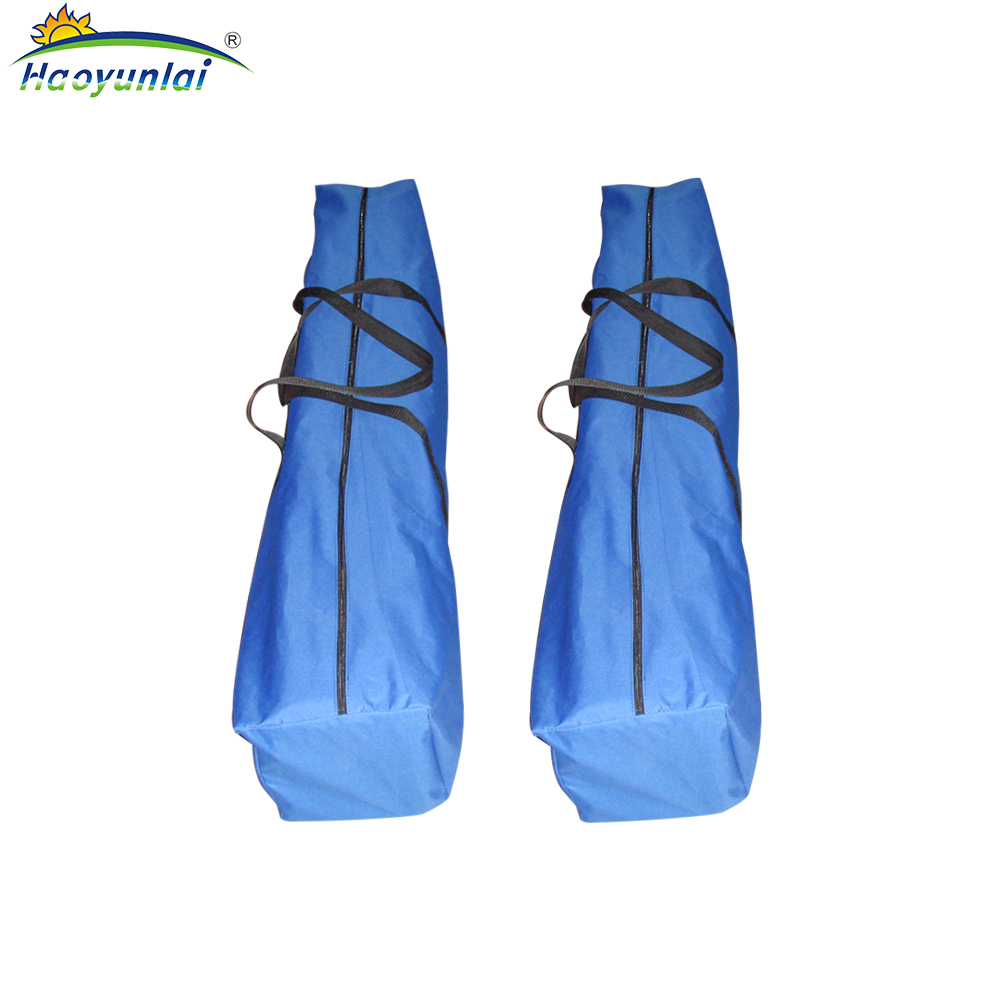 80oD Oxford Carry Bag for Tents