





The "Unnecessary" Processes Inside a Tent and Umbrella Factory
Introduction
Every factory has processes that customers never see. Some of them look unnecessary — extra steps that add time, cost, and labour without showing up on a specification sheet.
But these are often the processes that determine whether a product lasts one season or five. This article takes you inside Goodluck Tent's workshop and explains the "unnecessary" steps we insist on doing anyway.
Part 1 – Raw Material Control
Quality starts before production begins.
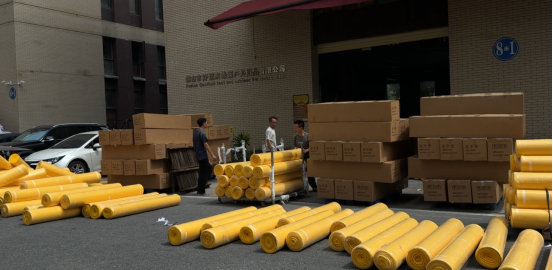
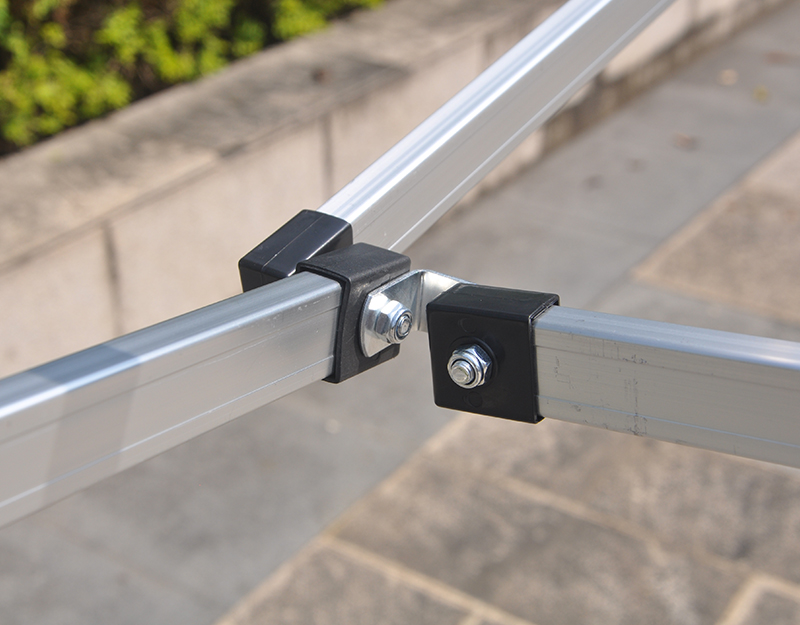
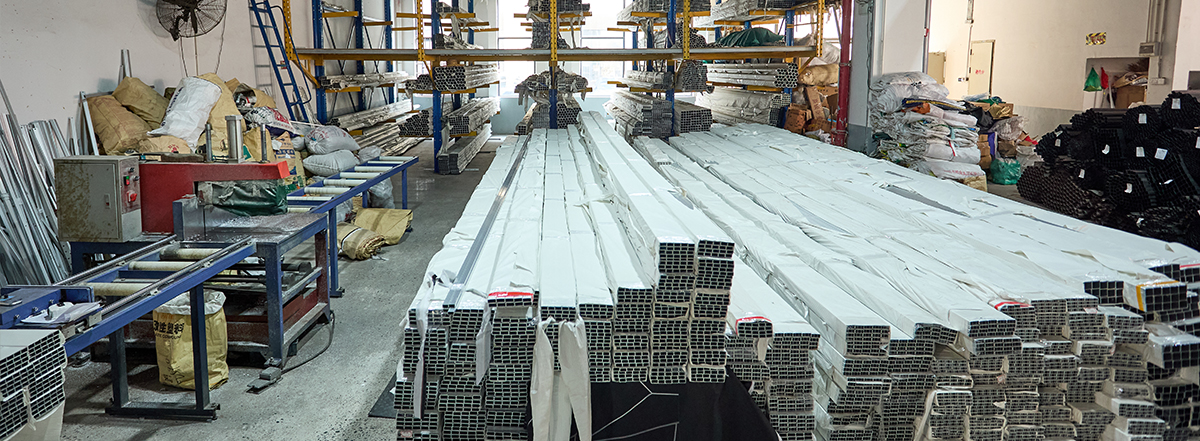
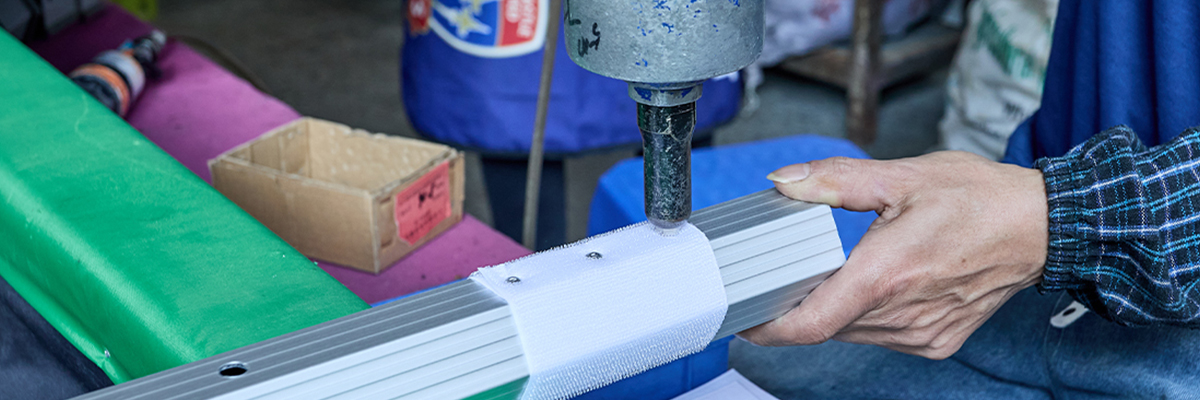
Aluminum tubes: Goodluck Tent checks every batch of aluminum tubes for wall thickness and weight. If a batch does not meet specifications, it is returned to the aluminum supplier. This happens more often than most people realise — and it is why we do not skip this step.
Small parts: Even the smallest components — springs, buttons, screws — are inspected in batches. Poor-quality items are sorted out and returned. A screw that looks fine on the outside may fail under repeated use, and we would rather catch it before it reaches a customer.
Old stock: Goodluck Tent does not use worn-out inventory. If old parts are still structurally sound, they are sent to a coating facility for rust removal, anti-corrosion treatment, and repainting before being used. If there is any doubt about their quality, they are not used at all. No customer should receive parts that look tired or worn before the product is even assembled.
Part 2 – Semi-Finished Product Control
Once production begins, the checks continue at every stage.
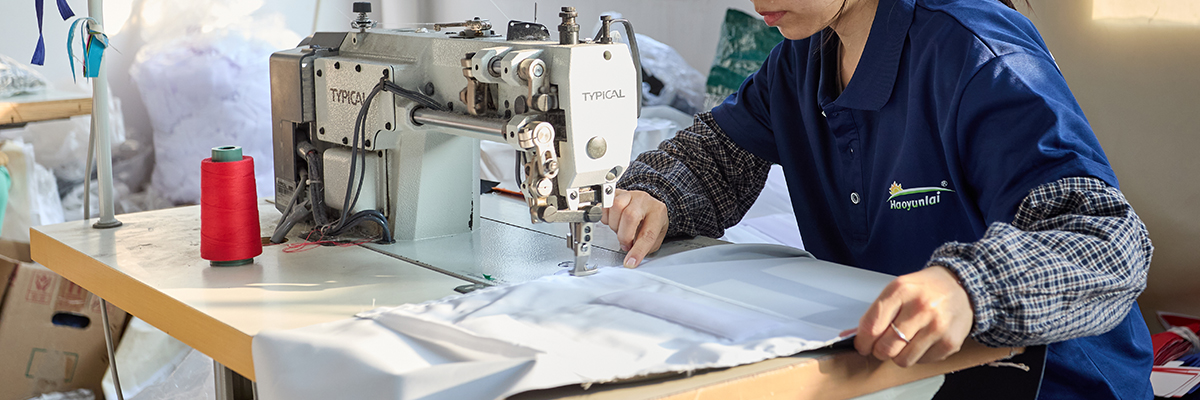
Fabric components: After each canopy top and sidewall is sewn, the threads are trimmed. This sounds minor, but loose threads affect both appearance and durability — and they are one of the first things a customer notices.
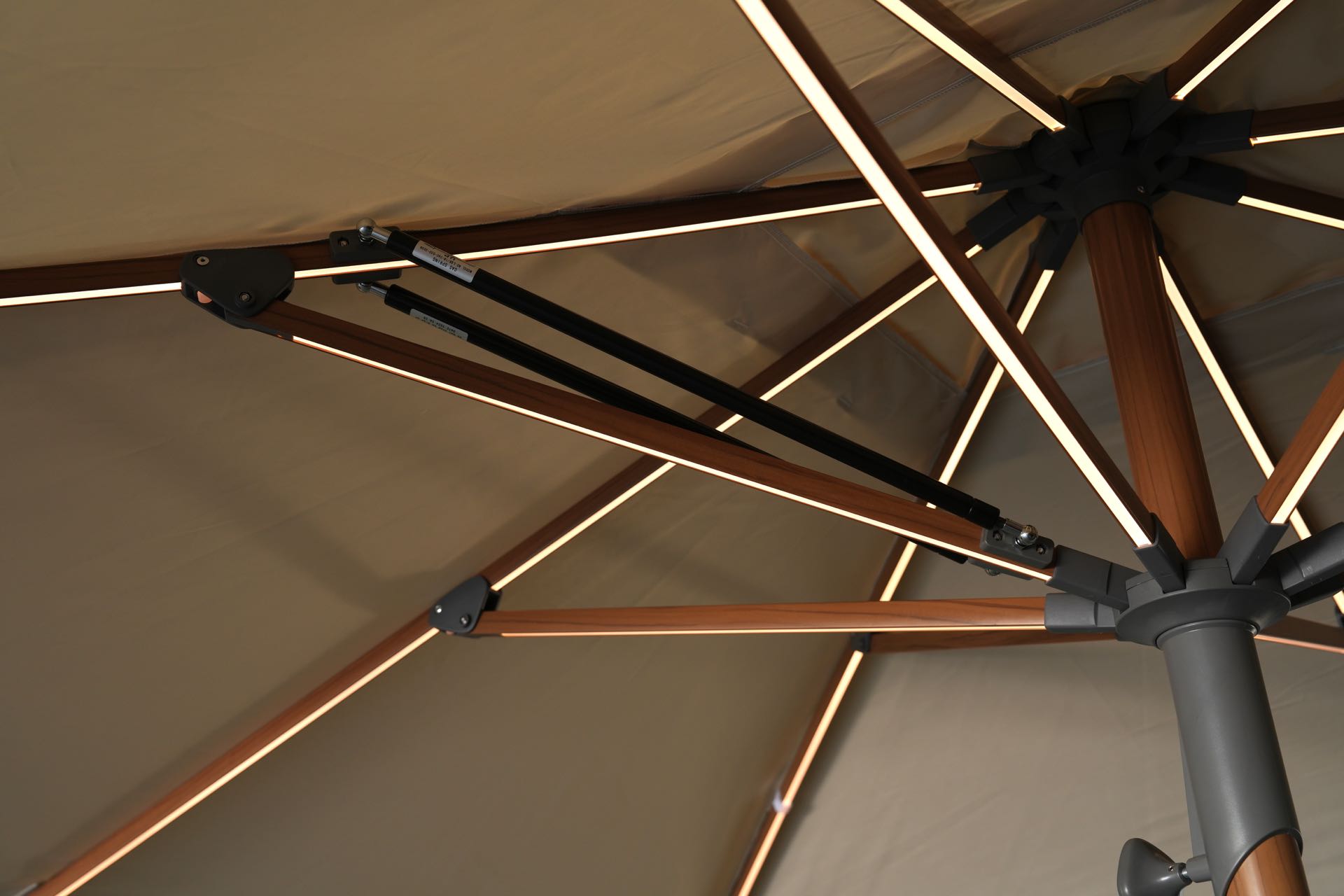
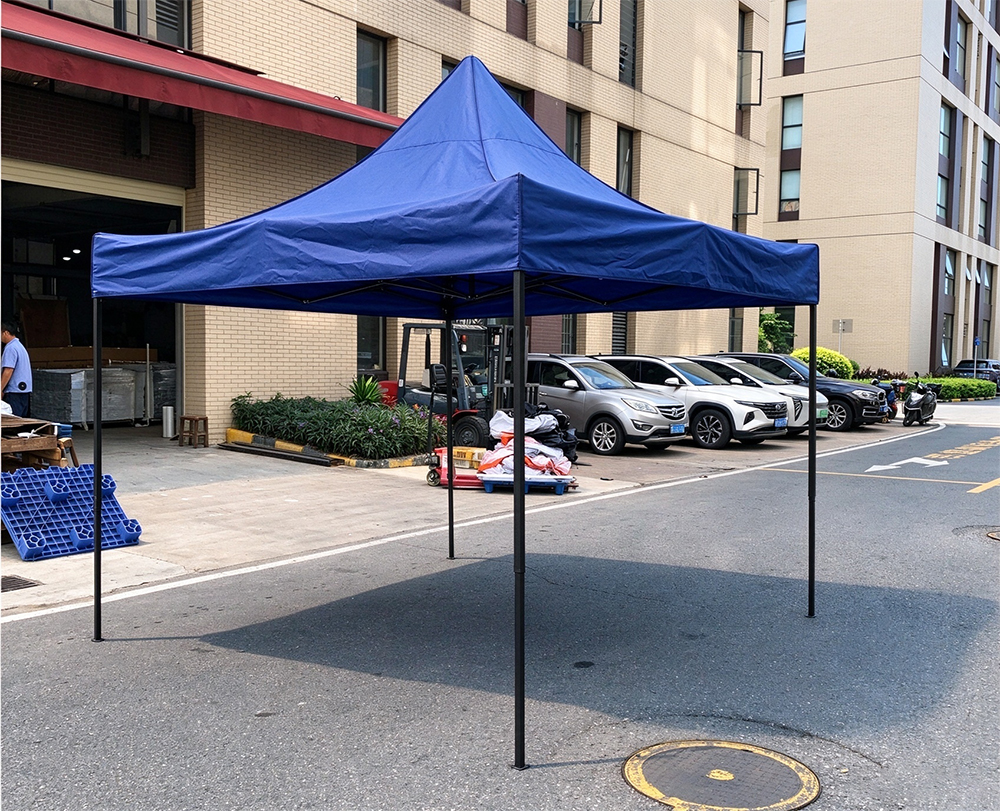
Frames: Every frame — whether for an umbrella or a tent — is opened and inspected by two quality control staff. They check the structure and sturdiness, confirm that buttons and handles operate smoothly, and verify that the frame locks securely in place.
This is not a quick visual check. It is a hands-on inspection that requires the frame to be fully assembled and tested.
Part 3 – Finished Product Control
Before shipment, Goodluck Tent runs a final setup test on every batch. This step is covered in more detail in a separate article, but it belongs here as well — because it is part of the same philosophy.
The setup test confirms:
- The frame assembles correctly
- The canopy fits properly
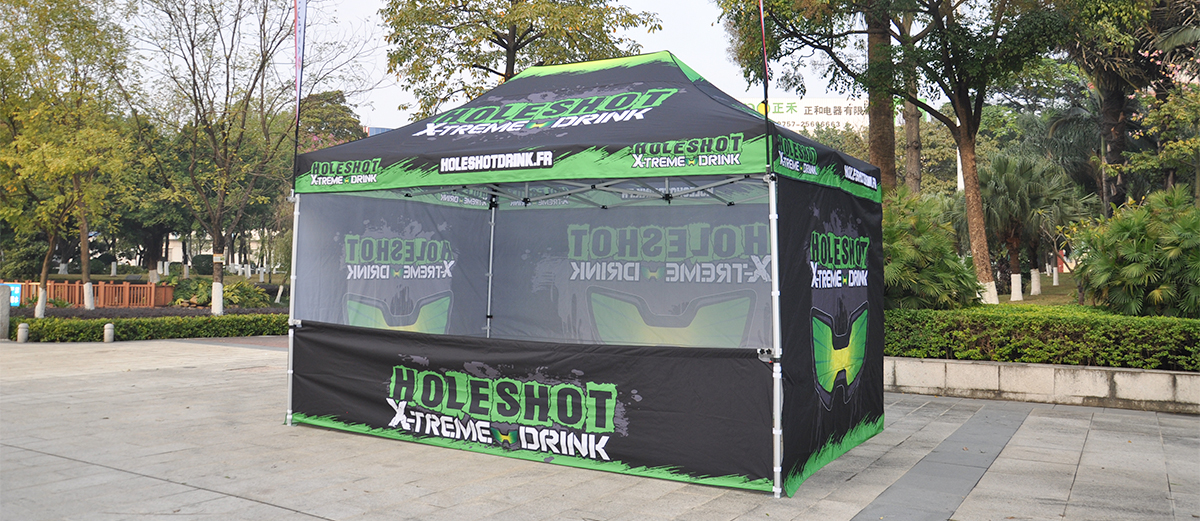
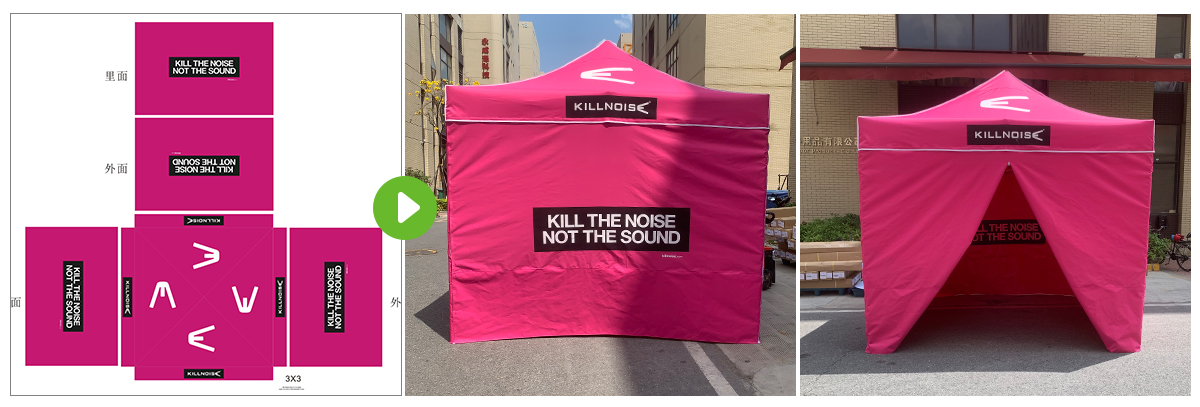
- The printing matches the approved design
- The accessories are all present and functional
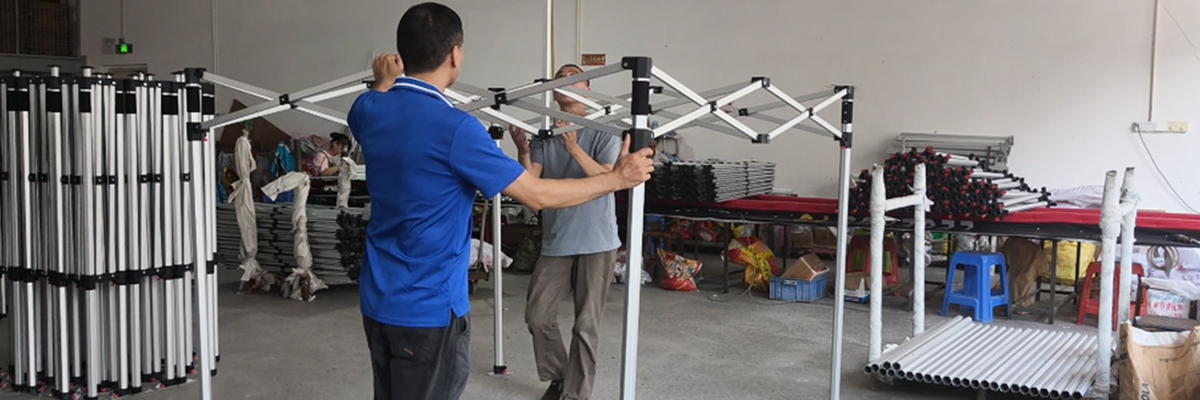
If anything is wrong, it is fixed before the goods are packed. If everything is right, the batch moves to packing — where the boxes are counted, labelled, and checked against the customer's requirements.
Closing – Why These "Unnecessary" Steps Exist
None of these processes are required by law. None of them show up in a product catalogue. Customers will never see the returned aluminum batch, the trimmed threads, or the two-person frame inspection.
But they are the reason Goodluck Tent's products hold up over time — and the reason long-term customers keep coming back.
Every step exists to answer one question: when the customer opens the box, will they be satisfied?
Goodluck Tent does these steps because that is the job. Not because it is easy, but because it is right.
Final Thoughts
Explore Our Top Sellers
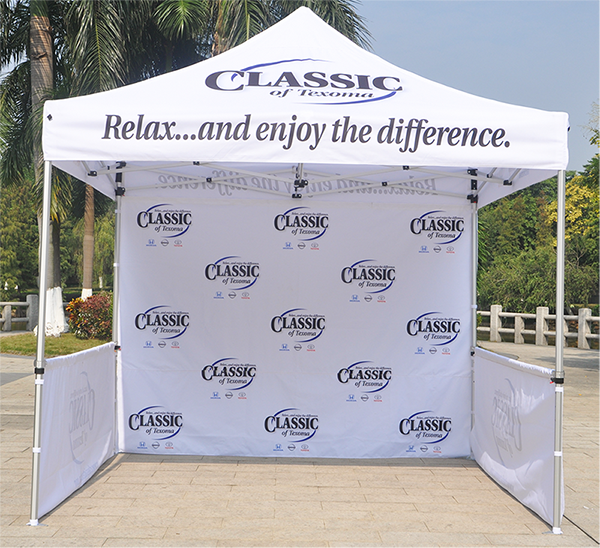 Promotional 40mm Hex Sport Event Tent
 Advertising 38mm Aluminum Tent
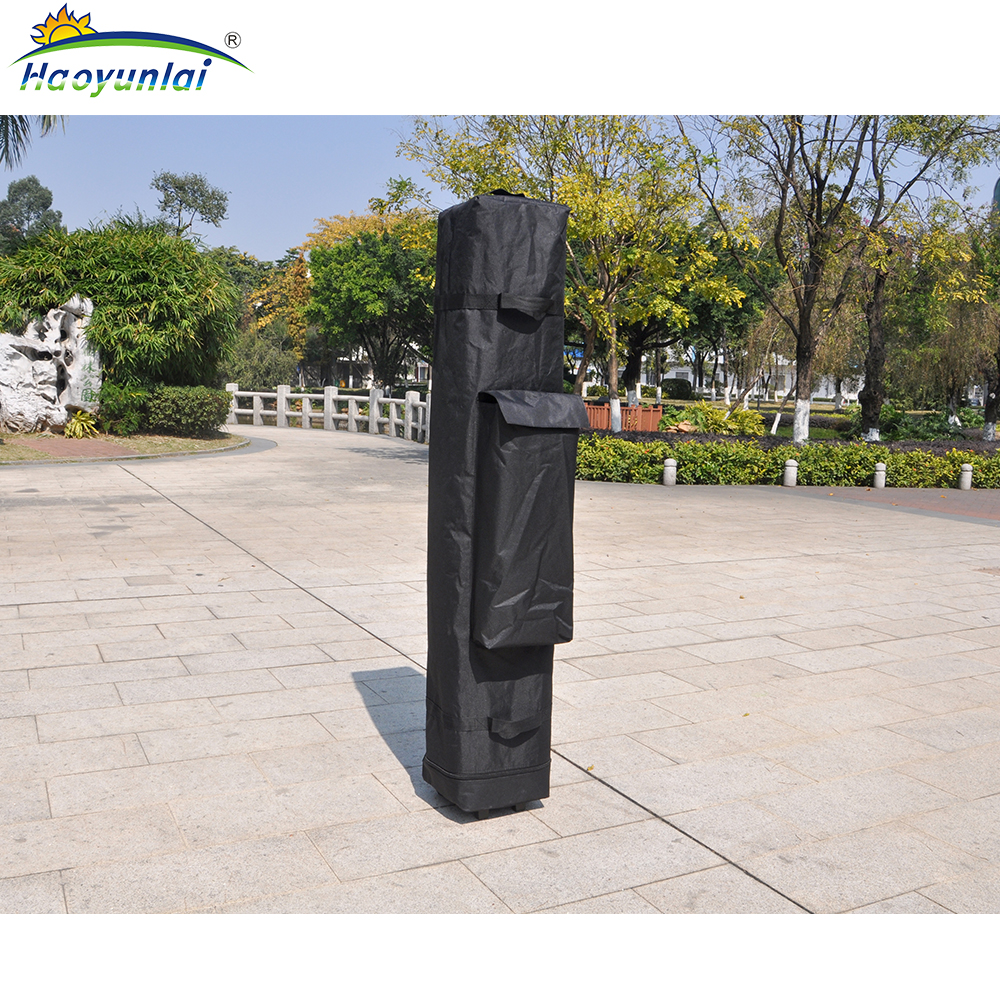 1680D Oxford Zipper wheeled CarryBag
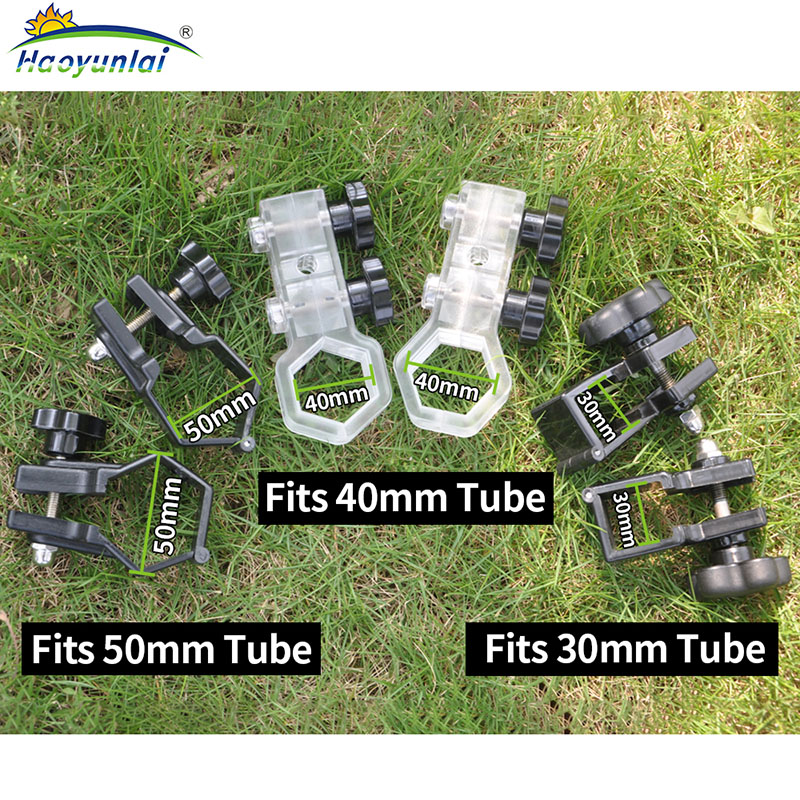 Plastic Clamp for Half-Wall Cross Bar