





Why Can Tent Prices Differ by 30% for the Same Size?
Introduction
A customer recently came to Goodluck Tent with a quote from another supplier in Zhejiang. The specifications looked identical — same size, same frame structure, same fabric description. But the price was nearly 30% lower.
He asked: why?
It is a fair question. And the answer is not "they are cheaper because they are more efficient" or "Goodluck Tent is more expensive because it is greedy." The difference comes down to three things: materials, workmanship, and quality control standards. This article breaks down each one.
Part 1 – Material Differences
The most common source of price variation is what goes into the product.
Aluminum: New vs. Recycled
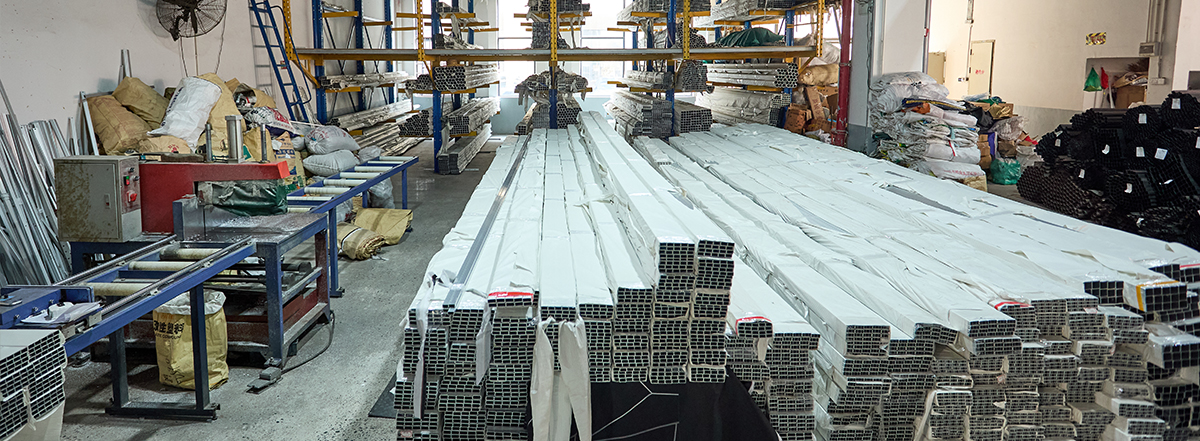
Not all aluminum is the same. Some manufacturers use recycled aluminum to cut costs. Recycled aluminum can contain impurities, which reduces strength and corrosion resistance over time. Goodluck Tent uses new aluminum ingot material — it costs more, but the structural performance is consistent and reliable.
Tube Wall Thickness: Full vs. Thinned
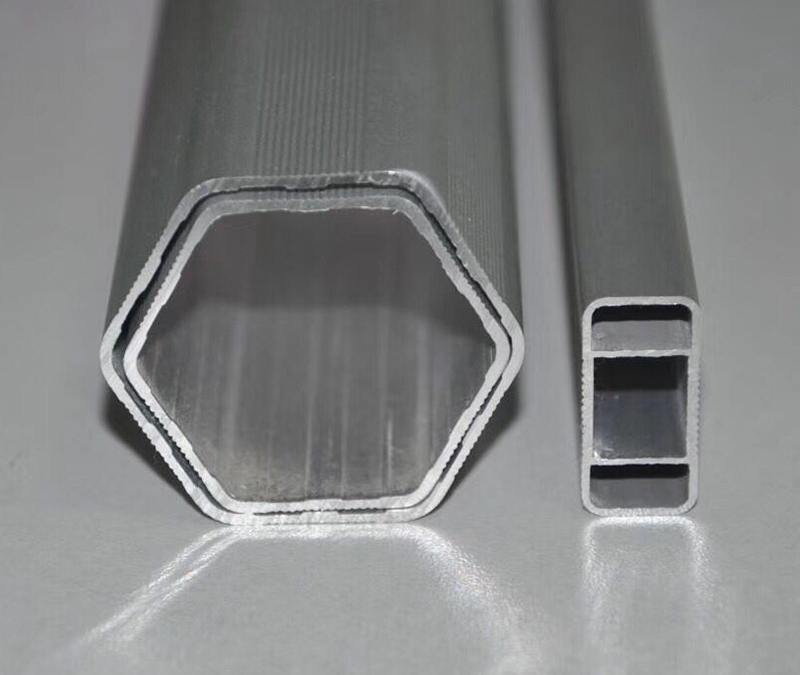
This is one of the most common hidden cost savings. A supplier may quote a 2.0mm wall thickness, but during mass production, reduce it to 1.7mm or 1.8mm. The difference is invisible to the eye, but it directly affects the frame's strength and wind resistance. Goodluck Tent keeps wall thickness to spec — and welcomes customers to verify it with calipers on arrival.
Nylon Parts: Impact-Resistant vs. Recycled
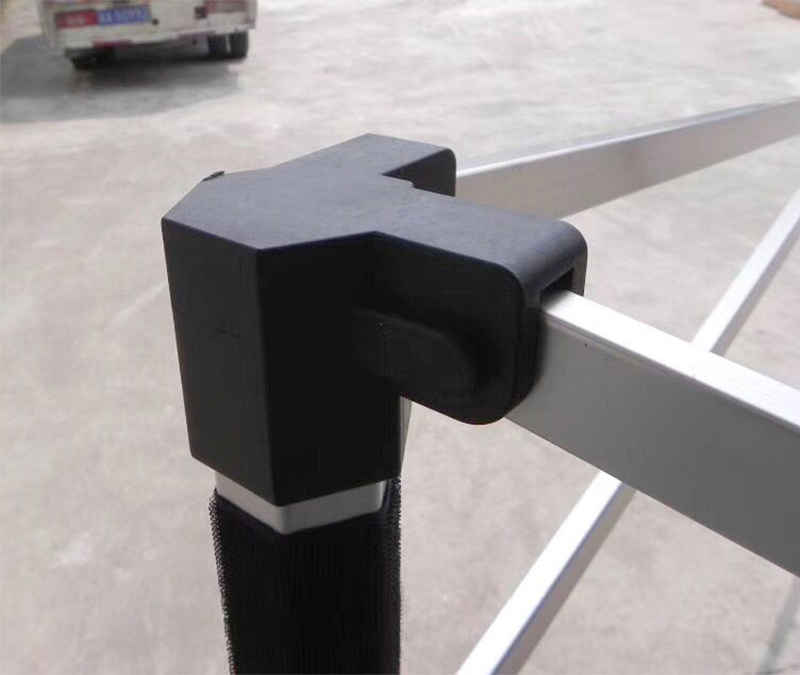
Goodluck Tent's nylon connectors — used in both iron and aluminum frames — are made from new, impact-resistant nylon. One of Goodluck Tent's customers once tested a connector by repeatedly striking it with a hammer. It did not deform. That is the difference between new material and recycled material.
Fabric: Weight, Coating, and Printing
Fabric is another area where costs can vary significantly. The weight (180g, 220g, 260g, 280g), the coating (PU vs. PA vs. PVC), and the printing method (heat transfer vs. screen printing) all affect both the cost and the final quality. Goodluck Tent selects fabric based on the customer's actual use case — not simply on what is cheapest.
Part 2 – Workmanship Differences
Even with the same materials, how they are put together makes a difference.
Welding: MIG vs. Standard
MIG welding produces stronger, cleaner weld seams with better penetration. It is more expensive than standard welding, but it results in a frame that holds up better under load. Goodluck Tent uses MIG welding on its frames.
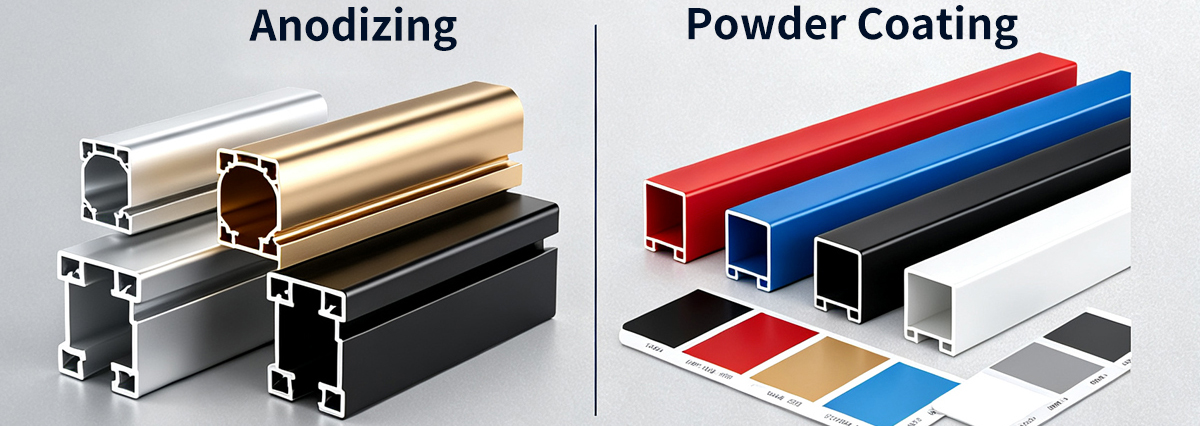
Surface Treatment: Anodizing vs. Standard Coating
Anodizing creates an oxide layer that is integrated into the aluminum surface — it does not peel or flake. Standard spray coating sits on top and can chip over time. Anodizing costs more, but it provides better long-term corrosion resistance, especially in humid or coastal environments.
Sewing: Double-Stitch vs. Single-Stitch
Double-stitched seams are stronger and more durable than single-stitched seams. This matters most at stress points — corners, attachment points, and high-wear areas. Goodluck Tent uses double-stitching on all load-bearing seams, and quality hook-and-loop fasteners rather than cheap alternatives that lose grip after a few uses.
Connectors: Cast Aluminum vs. Plastic
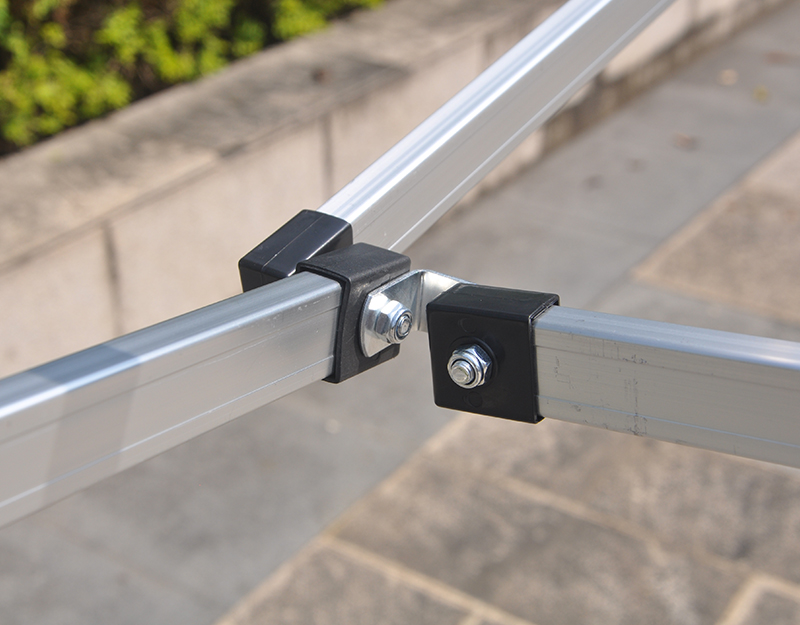
Cast aluminum connectors are stronger and more durable than plastic connectors. Plastic may be sufficient for light-duty use, but for commercial-grade tents that are assembled and disassembled repeatedly, cast aluminum is the better choice. Goodluck Tent uses cast aluminum for critical joints and impact-resistant nylon for secondary connections.
Part 3 – Quality Control Differences
This is where the hidden costs of cheap tents really show up.
Pre-Shipment Setup Test vs. No Test
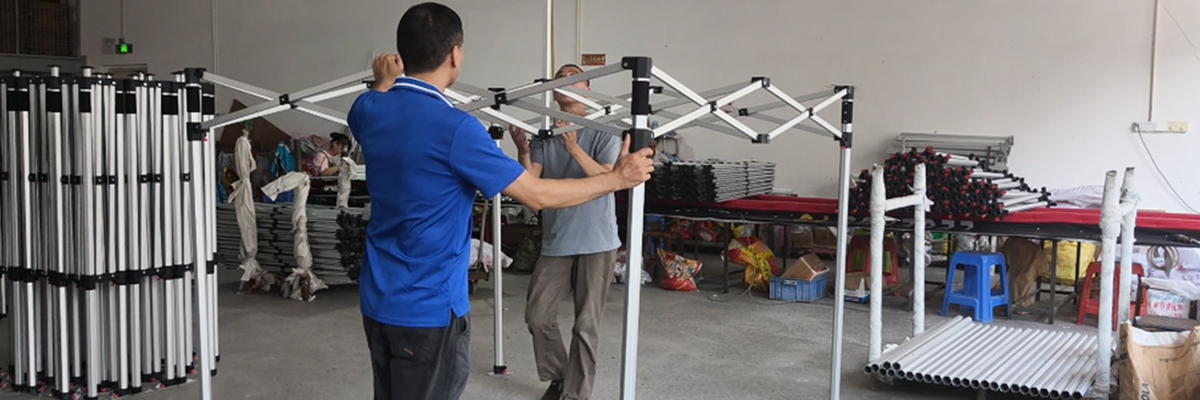
Goodluck Tent sets up every batch before it ships. This allows the company to catch structural issues, print errors, and assembly problems before the tent leaves the factory. Suppliers who skip this step save time and labour — but the customer pays for it later.
Piece-by-Piece Inspection vs. Random Sampling
Goodluck Tent inspects frames one by one. Some suppliers only check a few samples per batch. The result: inconsistent quality across the shipment, with some units failing earlier than others.
Packaging: 5-Layer Corrugated Box vs. Standard Box
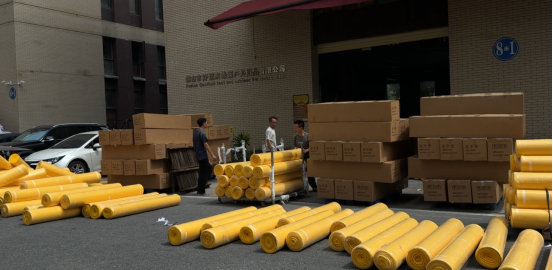
Goodluck Tent uses 5-layer reinforced corrugated boxes with quality kraft paper on the inner and outer liners. This keeps the boxes rigid during container loading and reduces the risk of damage during transport. Thinner boxes may save a few dollars per unit, but they increase the risk of damaged goods arriving at the customer's site.
Closing – What the 30% Difference Really Means
A 30% price difference does not come from profit margins. It comes from materials, workmanship, and quality control — the things you cannot see in a specification sheet, but you will notice after a season of use.
Goodluck Tent welcomes customers to inspect its goods. Compare the wall thickness. Check the nylon parts. Look at the welds and the stitching. Goodluck Tent is not afraid of comparison, because it knows what goes into its products.
If you are looking for the cheapest tent on the market, Goodluck Tent may not be your best fit. But if you need a tent that will still be in service years from now — with the same structural integrity and the same professional appearance — then the price difference is not a cost. It is an investment.
Goodluck Tent has been manufacturing tents and umbrellas for over 18 years. If you would like to discuss your next order or request a sample for comparison, feel free to reach out.
Final Thoughts
Explore Our Top Sellers
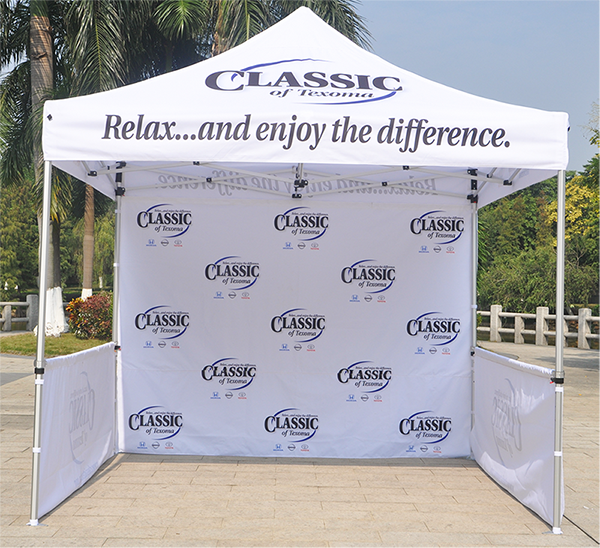 Promotional 40mm Hex Sport Event Tent
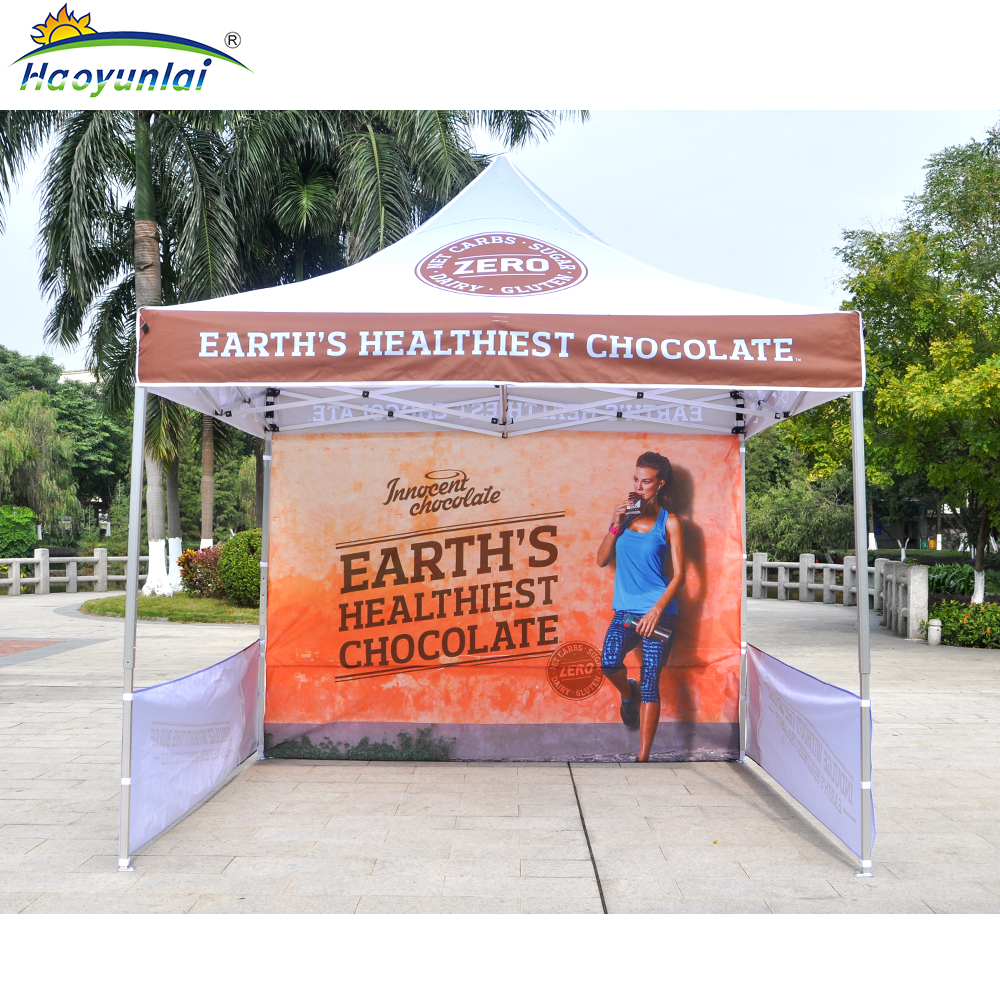 Advertising 38mm Aluminum Tent
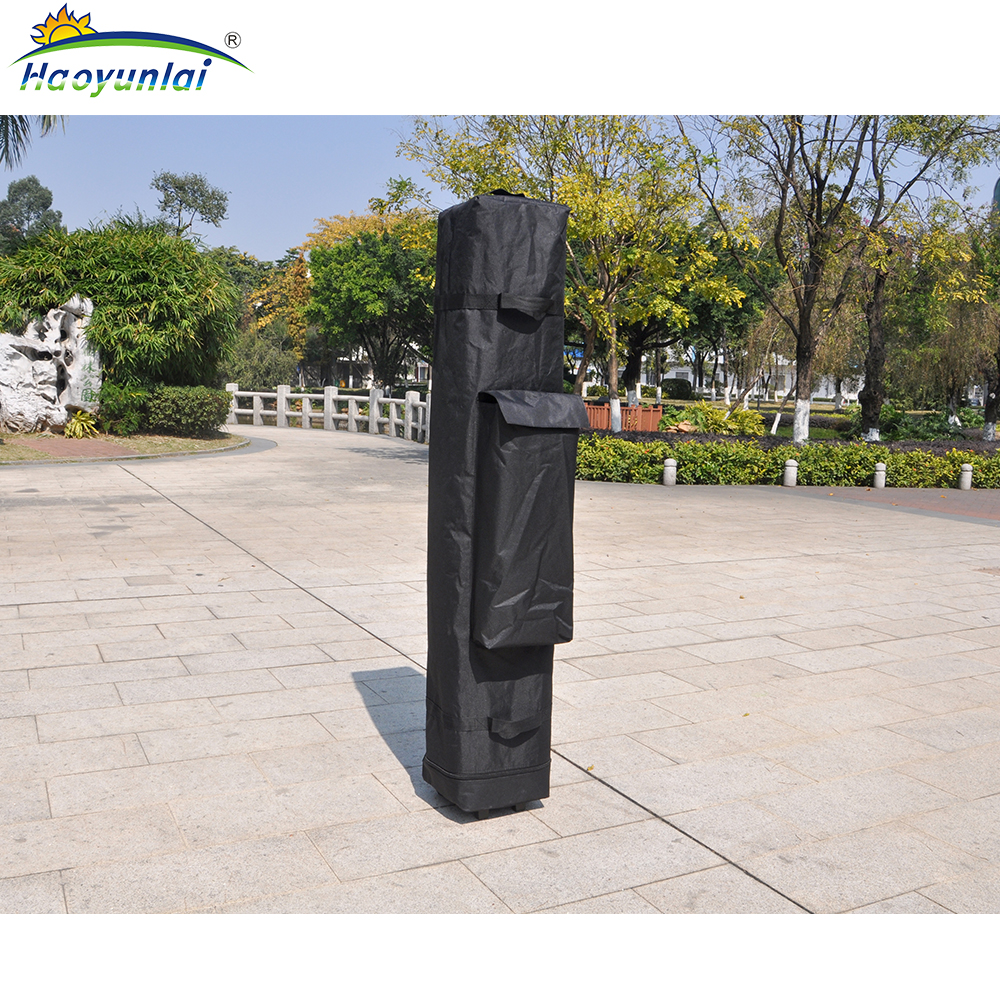 1680D Oxford Zipper wheeled CarryBag
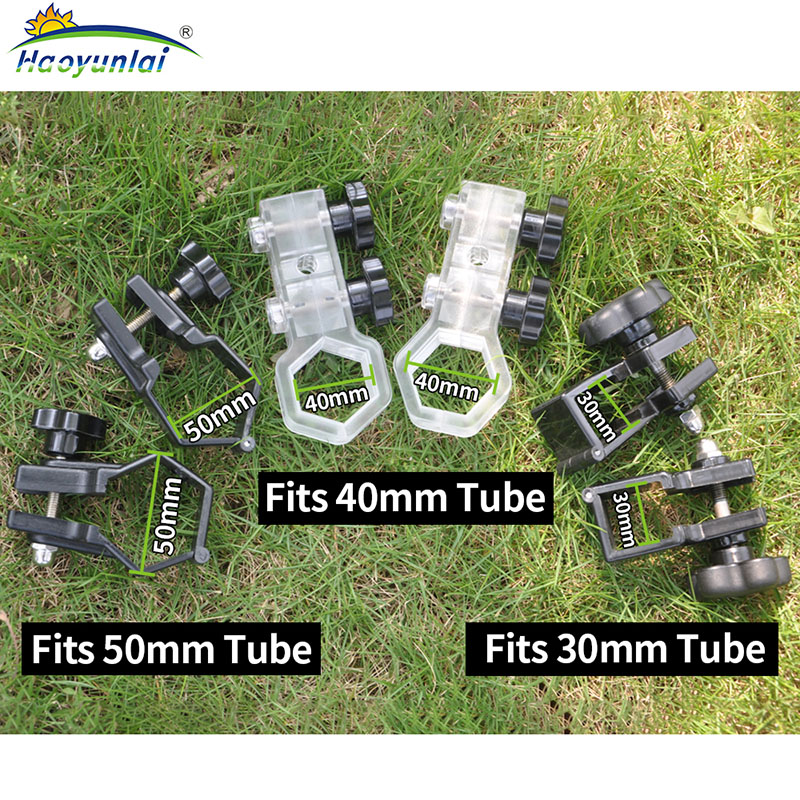 Plastic Clamp for Half-Wall Cross Bar