





Why choose the aluminum-frame tent?
In scenarios such as commercial exhibitions, outdoor activities, and temporary storage, aluminum frame tents have gained popularity as the market standard choice due to their comprehensive advantages over traditional materials like steel, wood, and fiberglass. Compared to steel, fiberglass, and wood-based tents, the core advantages of aluminum frame tents lie in three key aspects: lightweight, practicality, and durability. In critical scenarios, their advantages are particularly prominent.
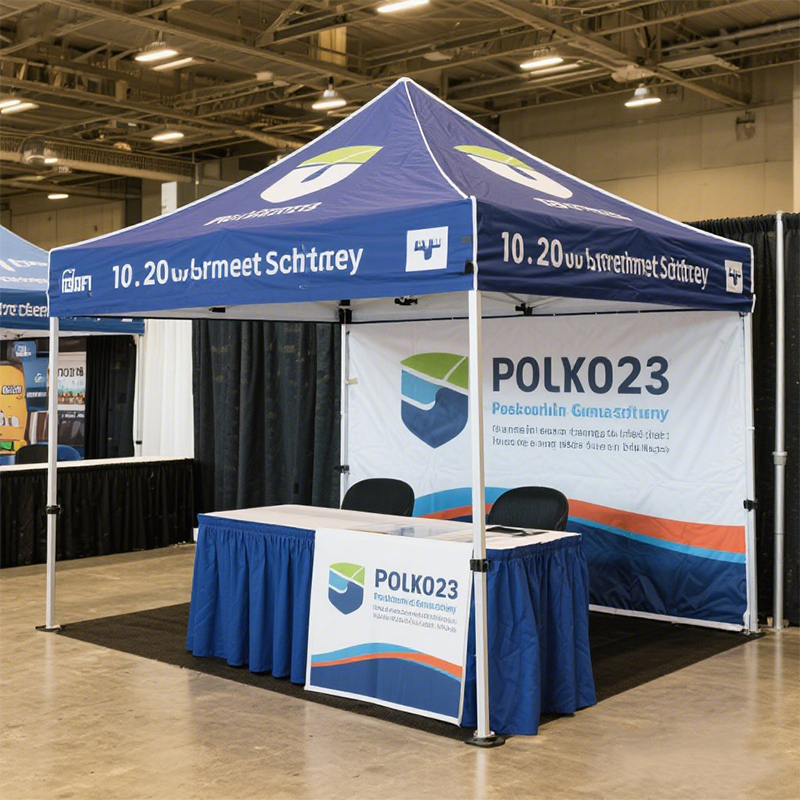
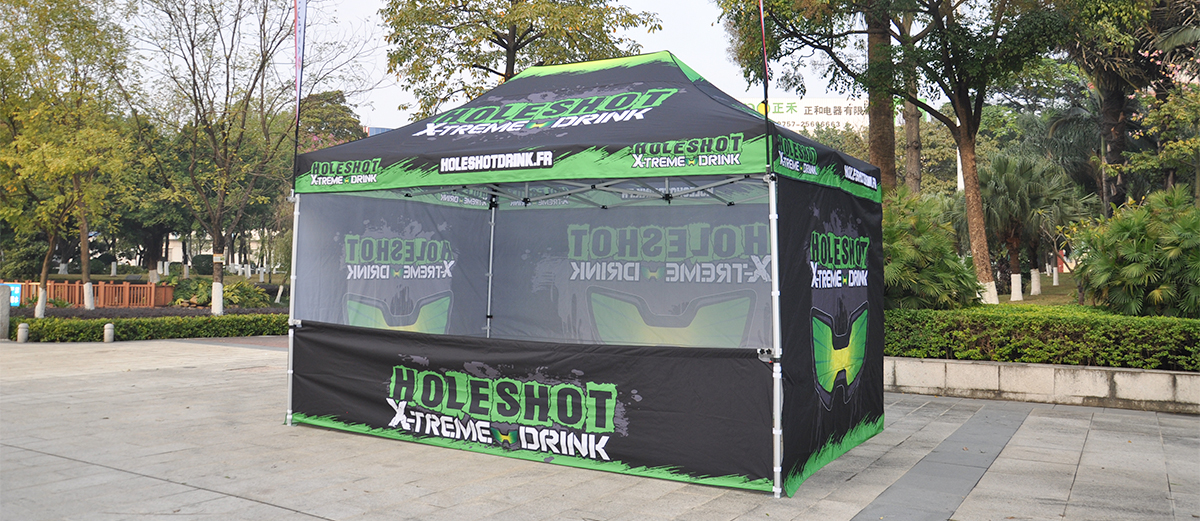
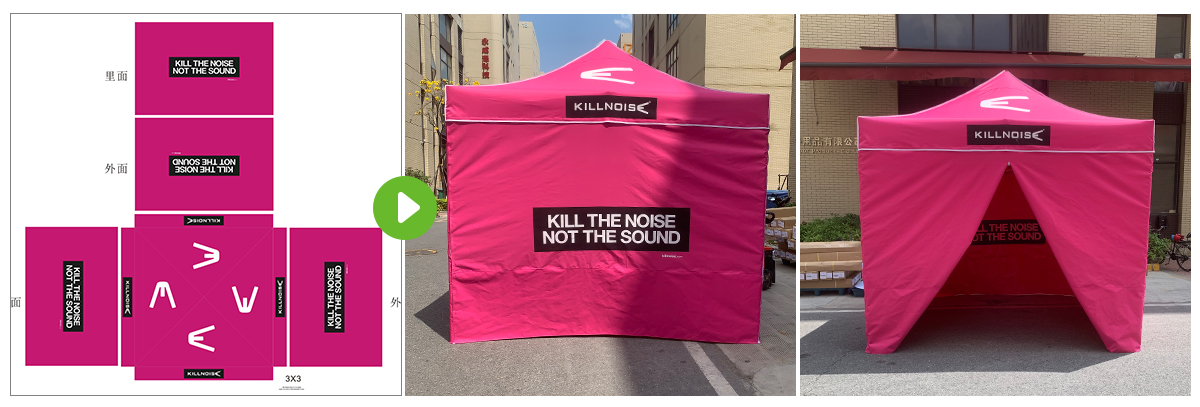
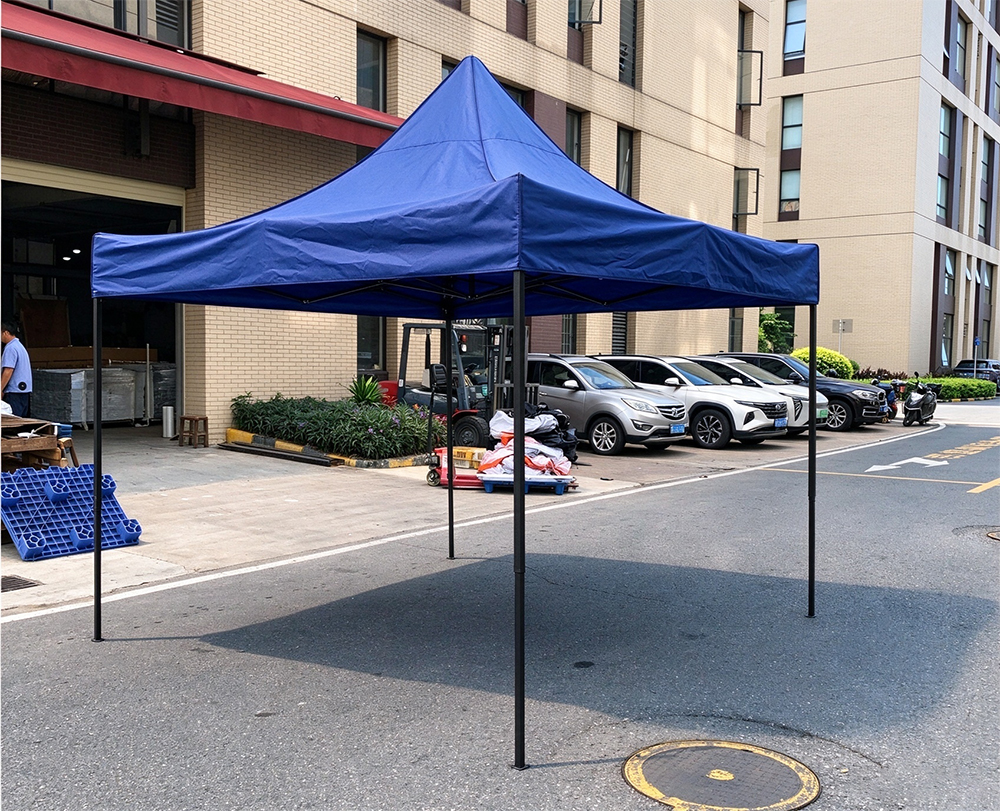
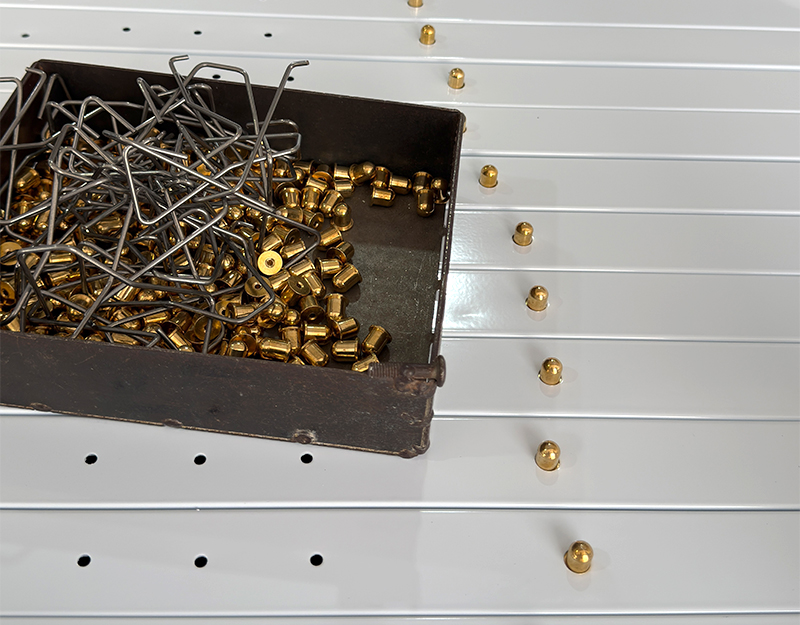
In commercial exhibition scenarios, the lightweight and efficient setup characteristics of aluminum frame tents directly address the pain points. The density of aluminum is only 1/3 that of steel, and under the same specifications, the weight is 50%-70% lighter. A team of 3-5 people can complete the setup of a 50-100 square meter exhibition booth in 10-30 minutes, without the need for professional tools, perfectly meeting the requirements for frequent setup and dismantling at exhibitions. In contrast, steel tents require mechanical hoisting and take 2-4 hours to set up, and wooden tents have complex procedures that are difficult to meet the requirements for efficient turnover at exhibitions. At the same time, the modular assembly design of aluminum frame tents allows for flexible adjustment from 3m×3m to 30m×100m in size. Combined with customized printed enclosures, it can precisely meet the display needs of brands, with a texture far superior to fiberglass tents.
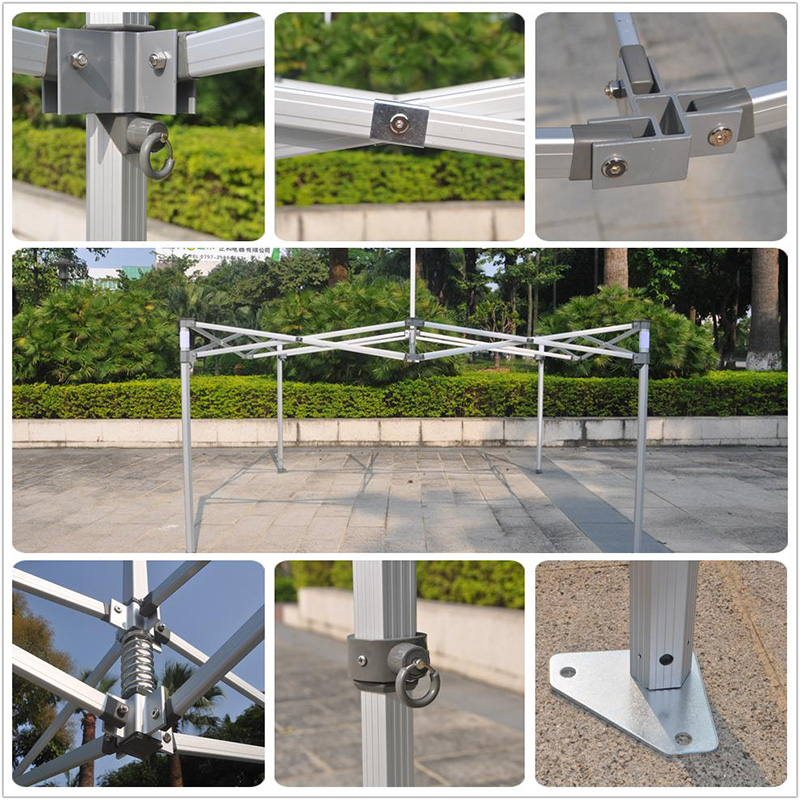
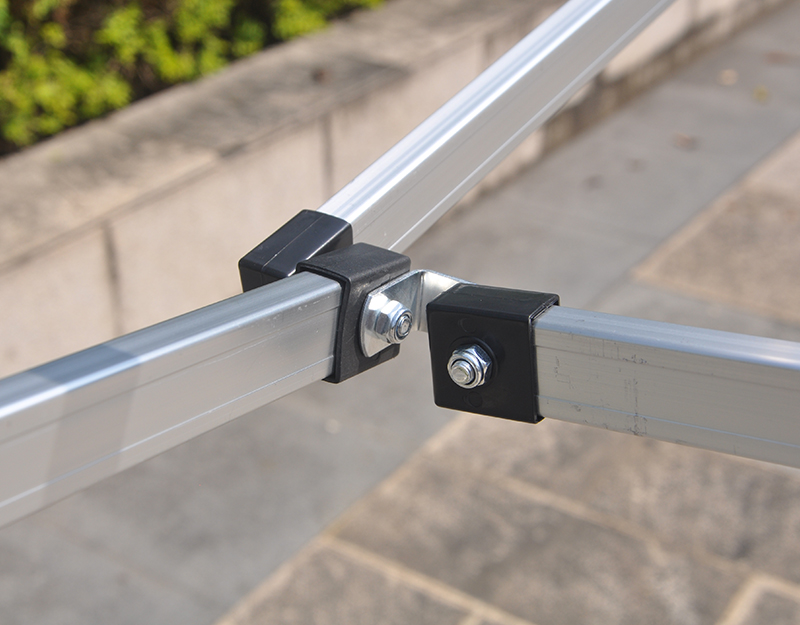
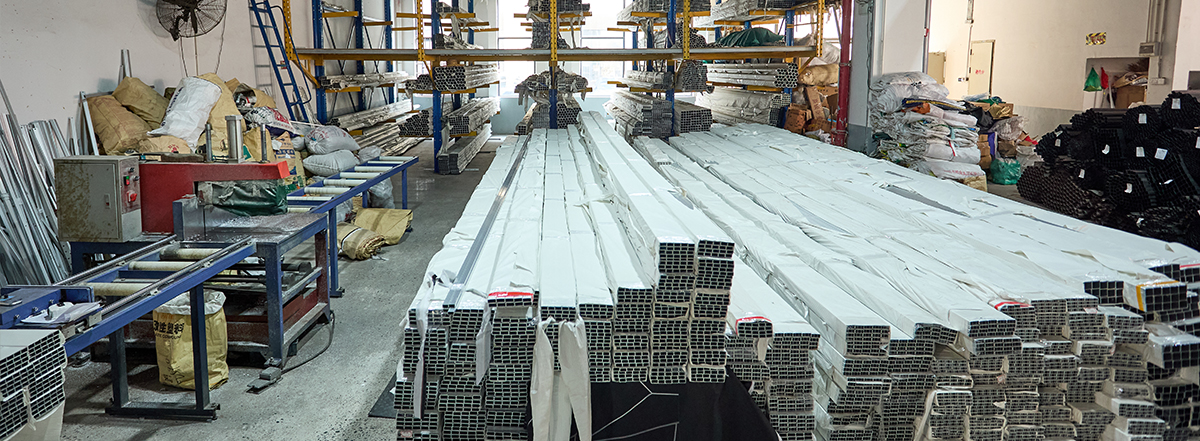
In outdoor activities and temporary storage scenarios, the durability and environmental adaptability of aluminum frame tents are clearly demonstrated. The 6063-T5 material, which has undergone anodizing treatment, is corrosion-resistant and rust-proof, and can be used stably in an environment ranging from -30℃ to 60℃. Its service life can reach 8-12 years and it can withstand winds of 8-10 levels. It is suitable for outdoor camping, event support and other complex environments. In contrast, steel tents are prone to rust in humid conditions, with a lifespan of only 3-5 years; wooden tents are prone to mold and insect damage; and fiberglass tents have poor weather resistance and are prone to cracking.
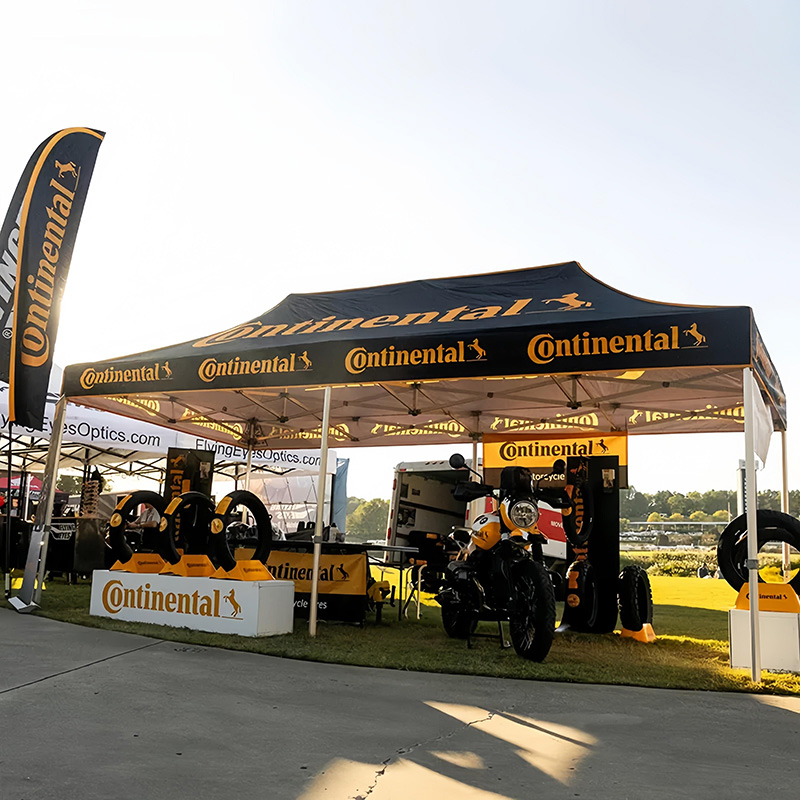
From cross-border export to daily use, aluminum-frame tents have not only addressed the problems of traditional materials being heavy, fragile, and difficult to maintain, but also adapted to diverse needs with their flexible customization and environmentally friendly recyclable features, making them the preferred solution in various scenarios.