





Why Goodluck Tent Does Not Use the Cheapest Materials
Introduction
There is always a cheaper option. Every market has suppliers who compete on price, and every buyer has seen quotes that look too good to pass up.
Goodluck Tent does not use the cheapest materials available. This is not because the company is trying to be expensive — it is because Goodluck Tent is positioned in the mid-to-high-end outdoor market, serving customers who need products that last.
Part 1 – Who Goodluck Tent Serves
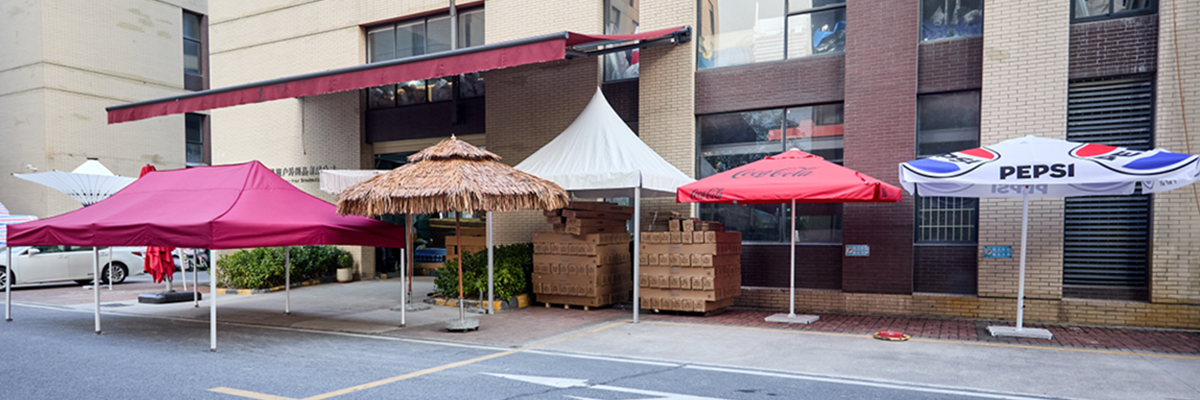
Goodluck Tent manufactures outdoor tents and umbrellas for customers who need reliability over the long term:
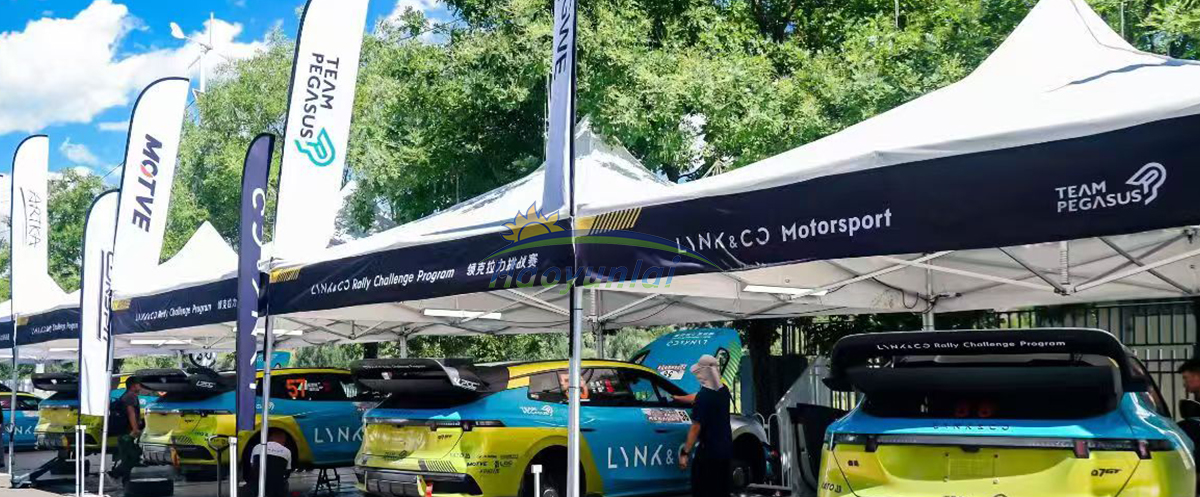
Sports event organisers who use their tents season after season
Brands that need consistent, professional displays for promotions and exhibitions
Hotels and resorts that require durable outdoor shade solutions
Distributors and rental companies that need equipment that holds up to repeated use
These customers are not looking for the lowest possible price. They are looking for a solution that works — and keeps working.
Part 2 – What Goodluck Tent Uses Instead
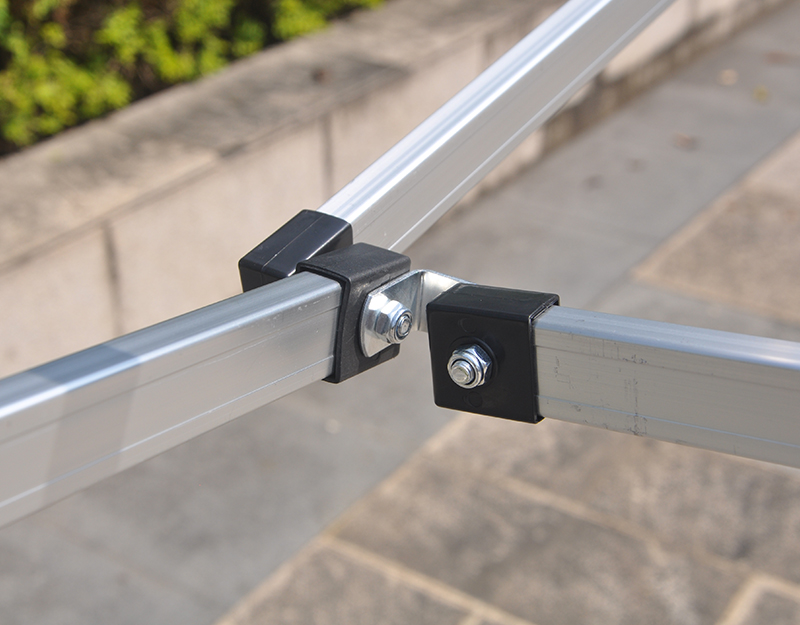
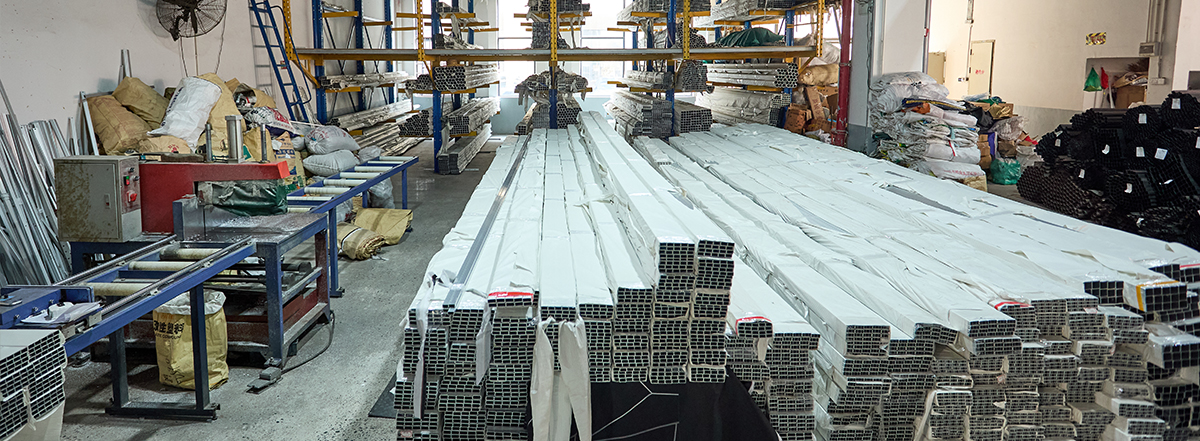
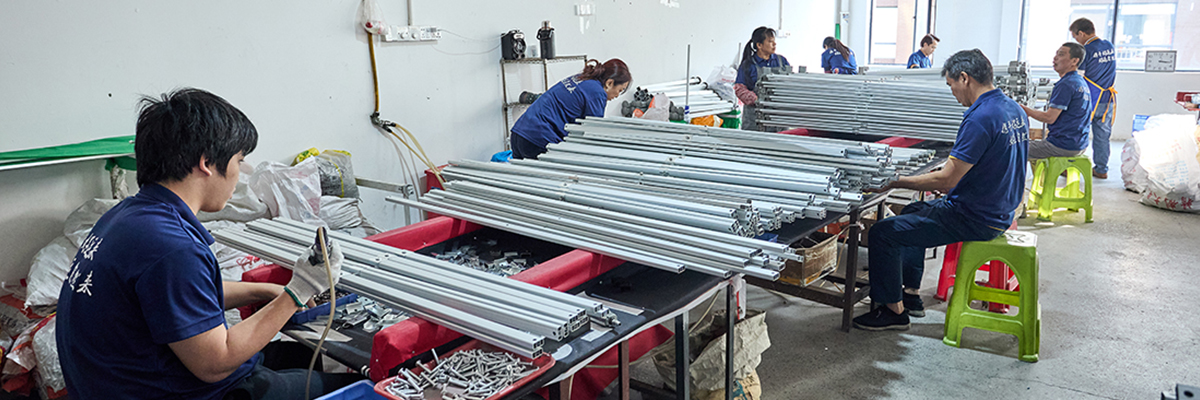
Aluminum: Goodluck Tent uses new aluminum material. Not recycled aluminum, which can contain impurities and reduce structural strength over time. New material costs more, but the performance is consistent and reliable.
Tube thickness: Goodluck Tent keeps tube wall thickness to the specified dimensions. Some suppliers quote a certain thickness but reduce it during mass production to save cost. Goodluck Tent does not do this — and welcomes customers to verify thickness on arrival.
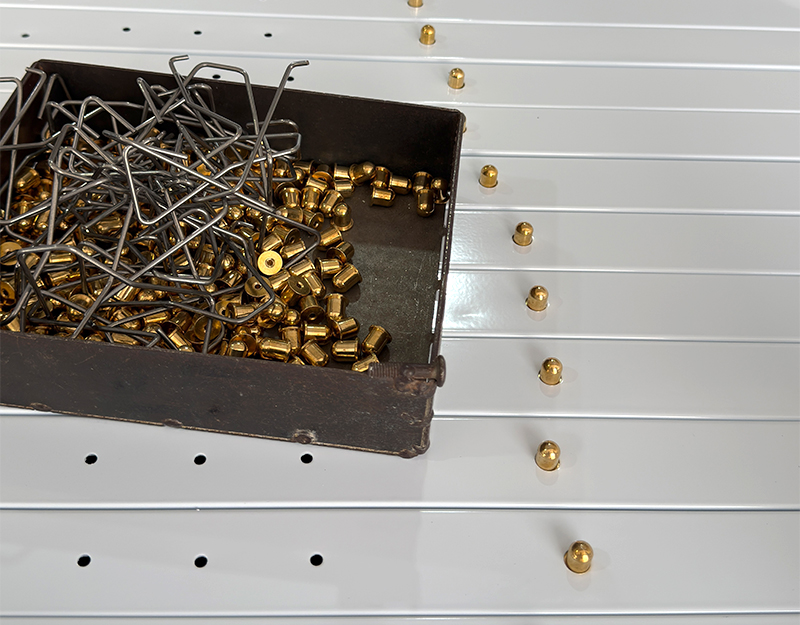
Nylon parts: Goodluck Tent uses impact-resistant new nylon for its connectors and components. One customer tested a connector by repeatedly striking it with a hammer — it did not deform. That is the difference between new material and recycled material.
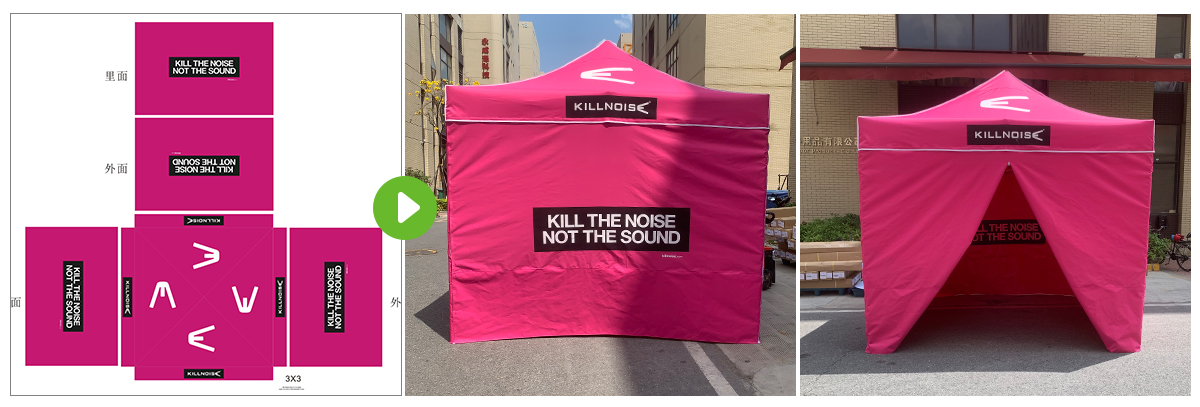
Fabric: Goodluck Tent selects fabric based on the customer's actual use case — not simply on what is cheapest. The weight, coating, and printing method all affect performance, and Goodluck Tent chooses the specification that fits the application.
Part 3 – What Cheap Materials Cost the Customer
Cheap materials save money upfront. They cost more later.
- Recycled aluminum may fail under load, especially in high-wind conditions
- Thinned tube walls reduce structural integrity without being visible
- Low-grade nylon can crack or deform after a few assembly cycles
- Cheaper fabric fades, tears, or loses waterproofing within a season
For a customer using a tent at multiple events per year, these failures create real costs — replacement, downtime, and damage to their own reputation.
Closing – A Deliberate Choice
Goodluck Tent does not use the cheapest materials because it is not trying to sell the cheapest product. It is trying to sell a product that works for years, not weeks.
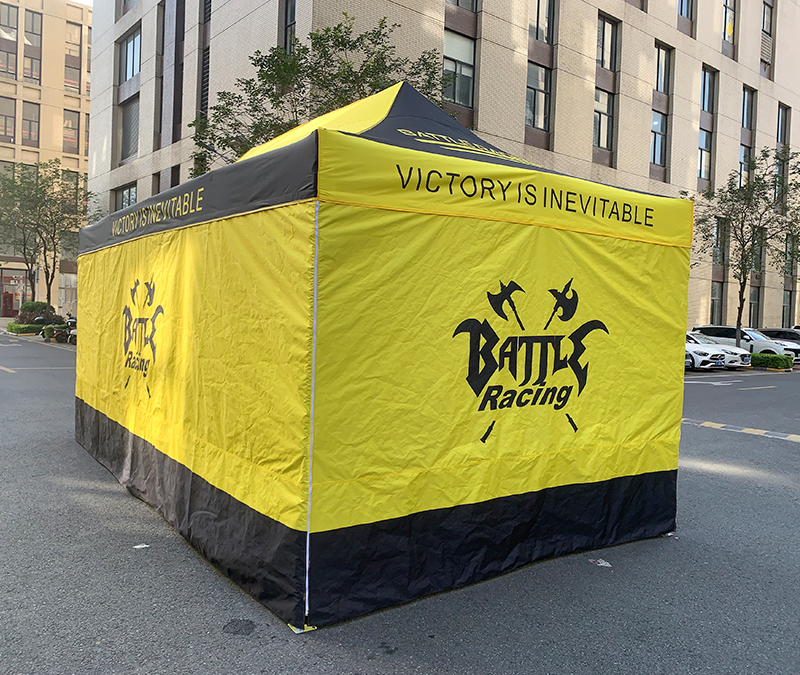
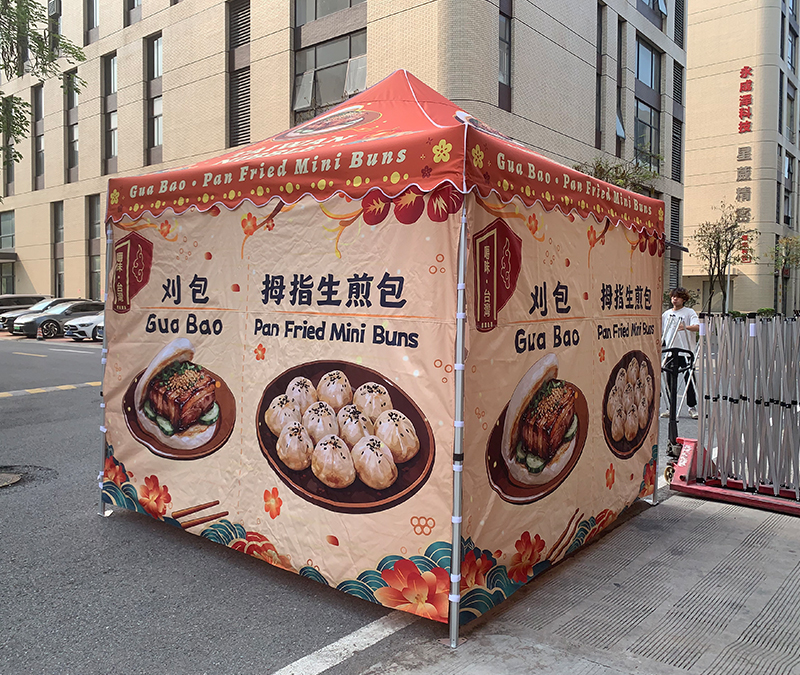
If you are looking for the lowest price on the market, Goodluck Tent may not be the right fit. But if you need a tent or umbrella that holds up over time — with the same structural integrity and the same professional appearance — then Goodluck Tent's material choices are worth the difference.
Final Thoughts
Explore Our Top Sellers
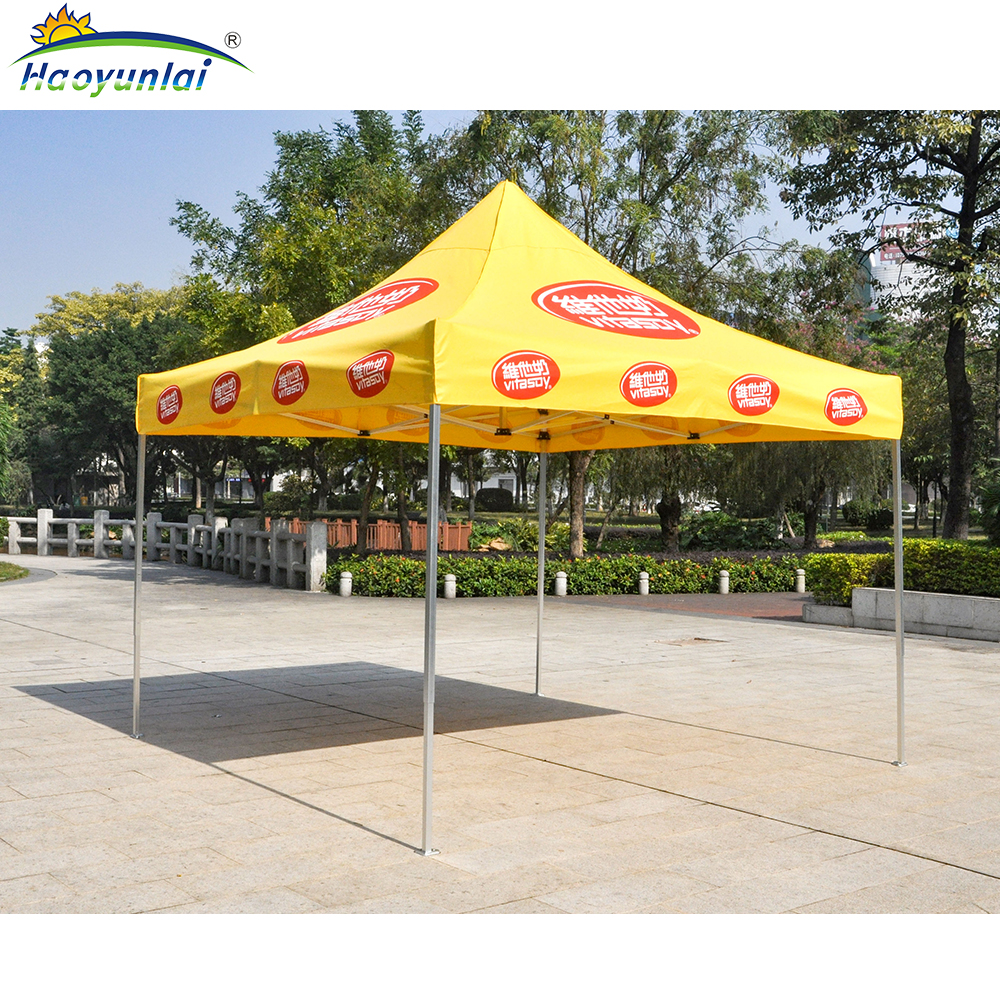 10xl0 Pop Up Trade Show Tent
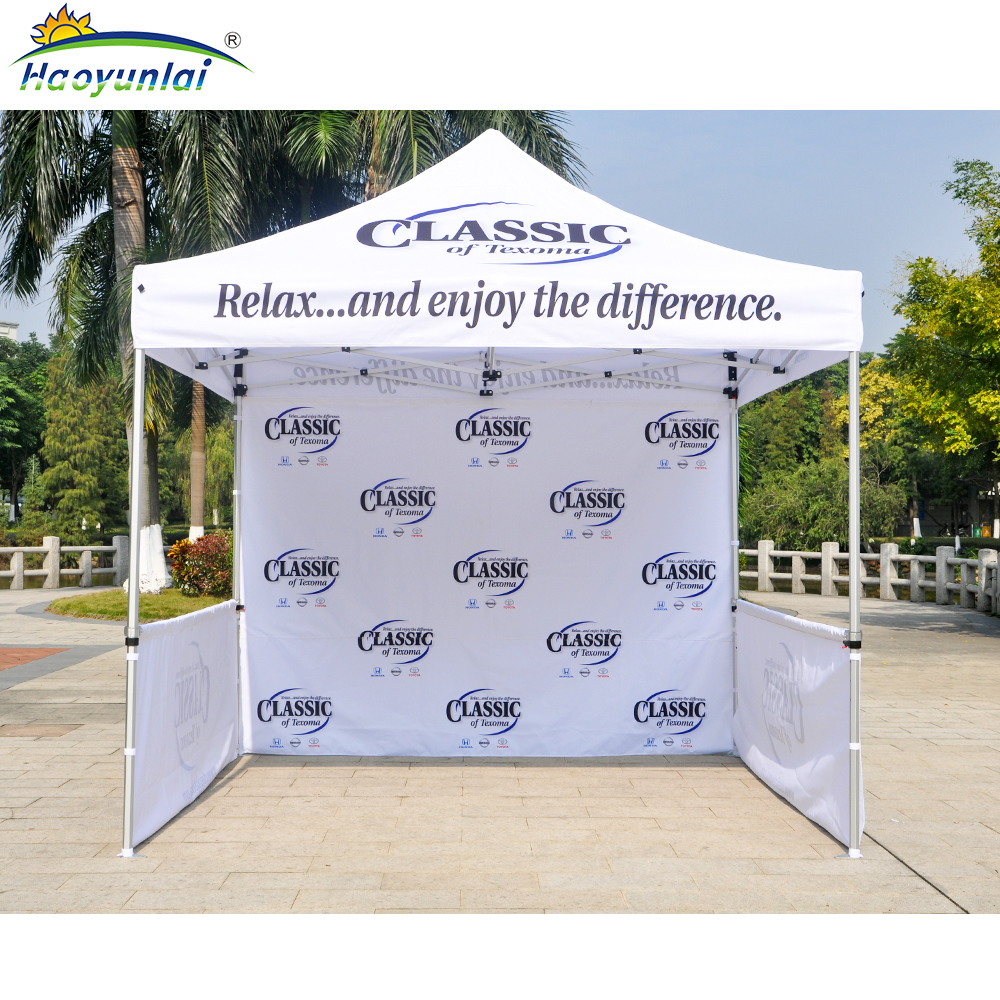 Promotional 40mm Hex Sport Event Tent
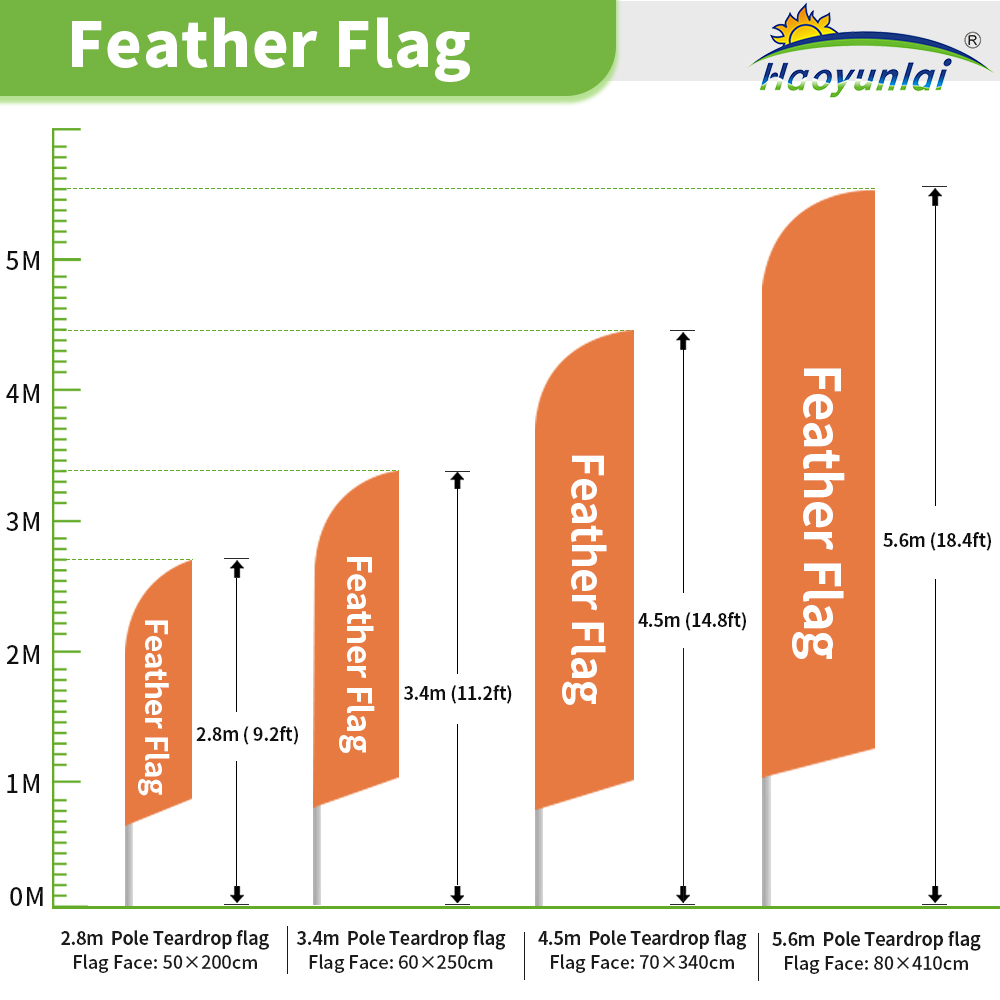 Digital Print Feather Flag
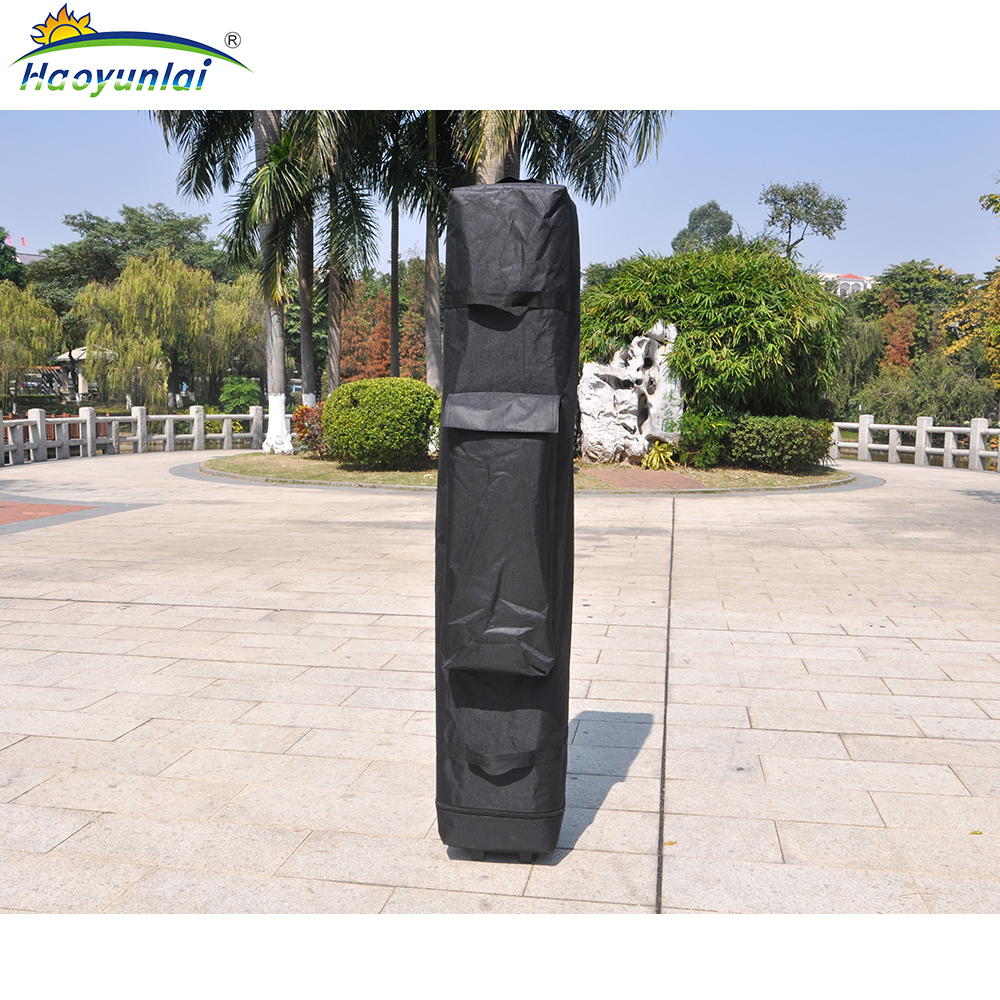 168oD Oxford Zipper Wheeled Carry Bag