






Why We Inspect Even the Screws and Springs: A Look Inside Our Component QC
Introduction
When buyers evaluate a tent, they usually focus on the big picture: Is the frame thick enough? Is the fabric waterproof? Will it survive the wind?
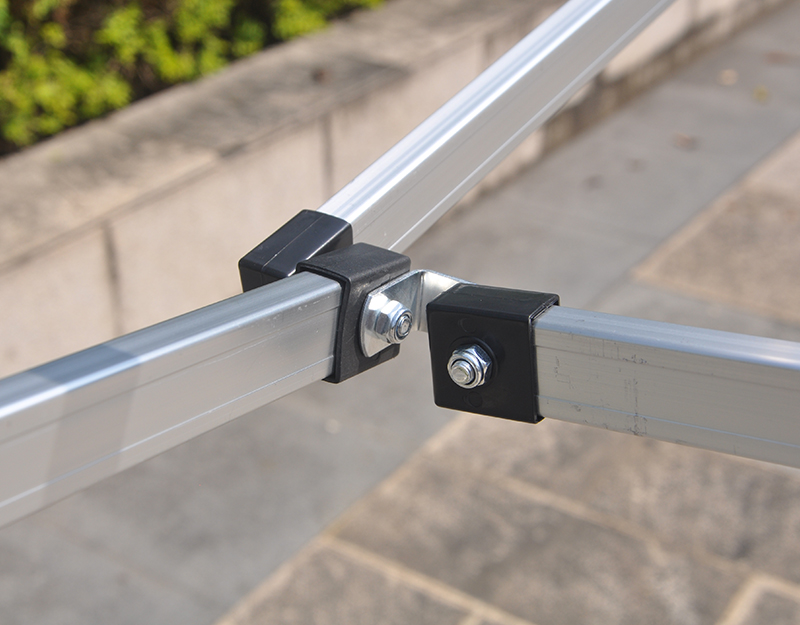
But in our experience, the lifespan of a commercial tent is often decided by the smallest components. A single weak spring, a poorly cast connector, or a rusty screw can take an entire tent out of service.
This article takes you behind the scenes of Goodluck Tent's component quality control — and explains why we reject, replace, and sometimes even rebuild the smallest parts.
Part 1 – Stopping Bad Parts at the Door
Quality control does not begin on the assembly line. It begins when the parts arrive at our factory.
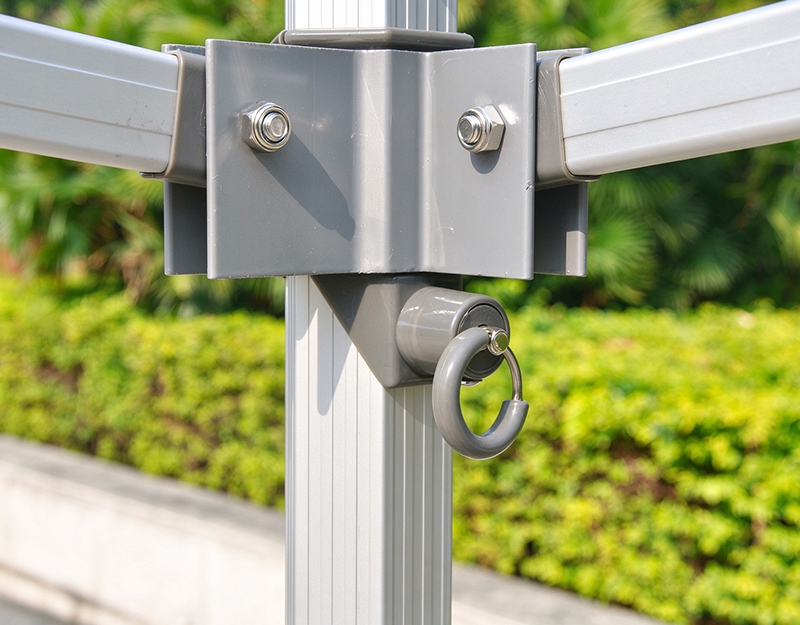
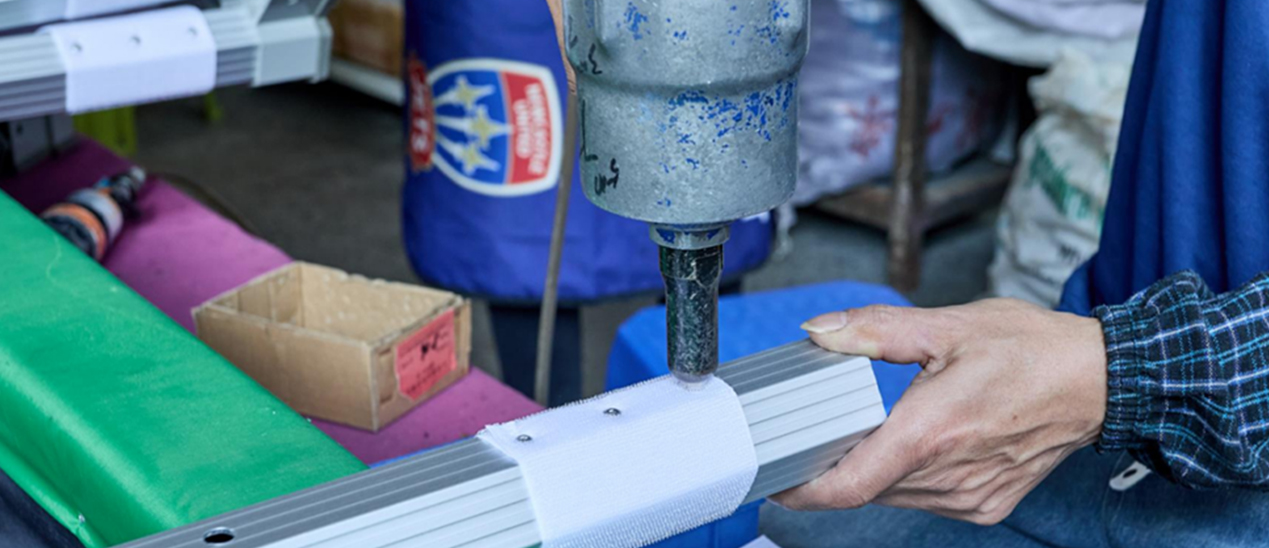
Every batch of springs, push-buttons, screws, and nylon connectors goes through an incoming inspection. We check dimensions, material hardness, and finish quality.
If a batch fails the check — whether it's a slight deviation in size or a weakness in the material — we reject it and send it back to the supplier.
We do not "make it work" just to meet a deadline. If a component is not up to standard, it does not enter our production line.
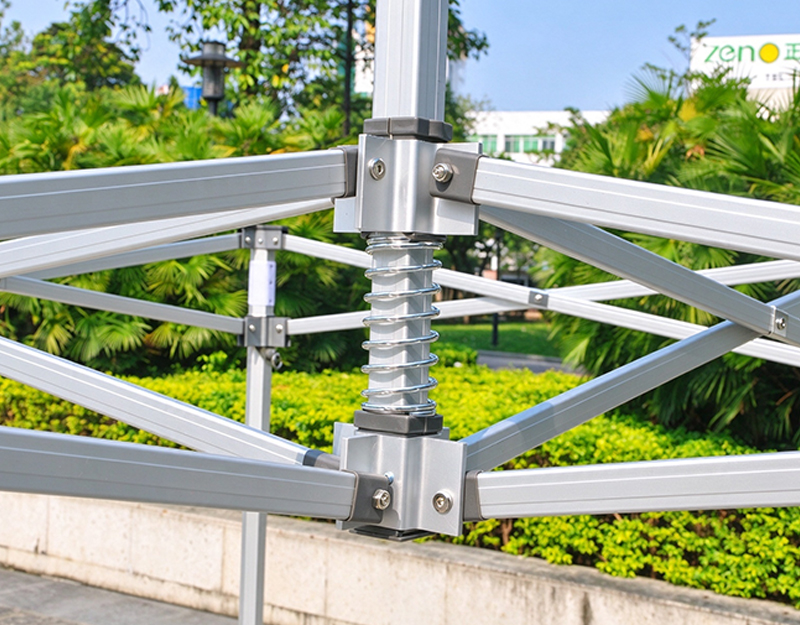
A Case in Point: The Automotive-Grade Spring Take our 50mm frame series as an example. The center spring mechanism — which controls the locking and unlocking of the frame — is a critical failure point.
That is why Goodluck Tent uses an automotive-grade spring for our 50mm frames. Automotive-grade springs are engineered for high-stress, high-cycle environments. They resist fatigue, maintain tension over thousands of compressions, and do not lose their shape under load.
A cheap spring might save a few cents per unit. But when it fails, the frame cannot lock, and the tent becomes unusable. The automotive-grade spring is an investment in reliability.
Part 2 – What Happens to Old Stock?
Over time, factories accumulate old inventory. Some suppliers simply mix old parts into new orders, hoping no one notices.
Goodluck Tent does not do this.
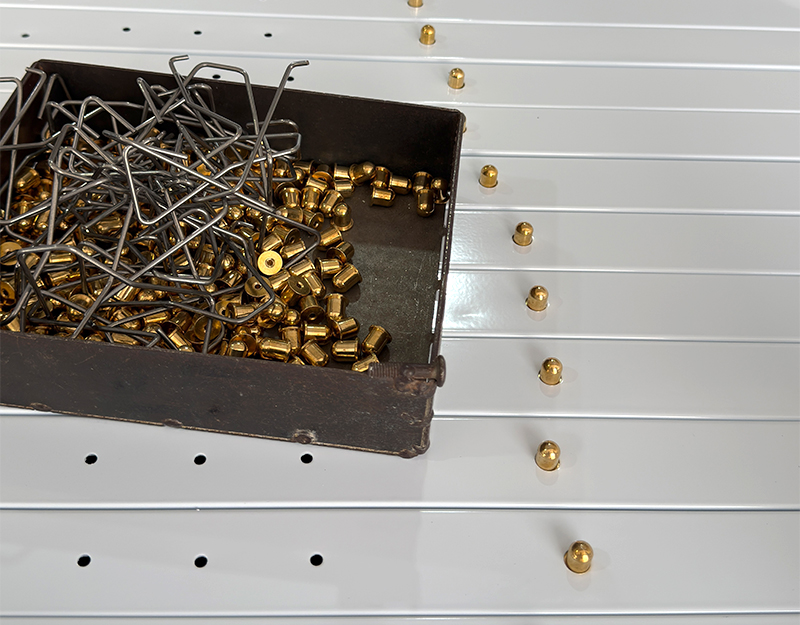
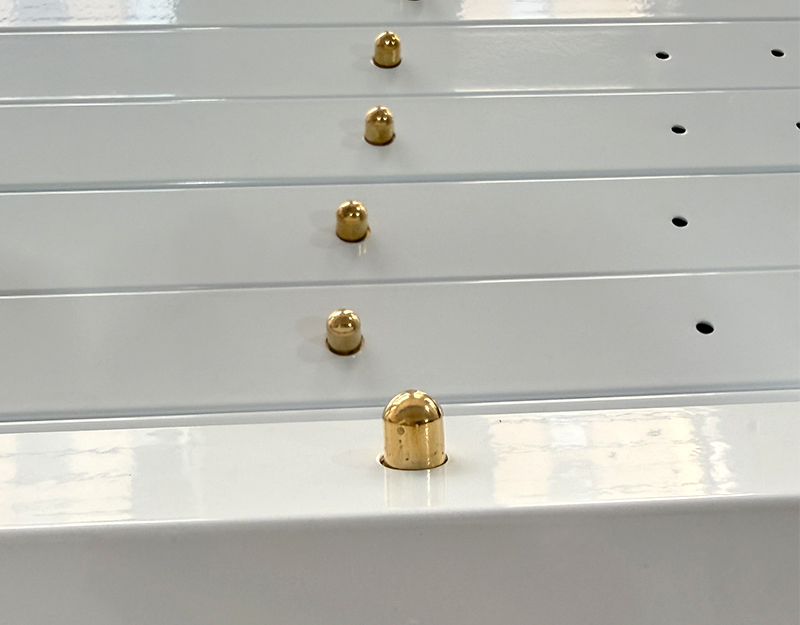
If we have old stock of components, we inspect them first. If the structural integrity is intact, we send them to a coating facility for rust removal, anti-corrosion treatment, and repainting.
They are refurbished to meet the standard of new parts. If they cannot be restored to that standard, they are scrapped.
We guarantee that no rusty, degraded, or worn-out parts will ever reach a customer's shipment.
Part 3 – Why This Level of Detail Matters
It might seem excessive to care so much about a screw or a spring. But in a commercial tent, every component plays a role in the overall structure.
A rusty screw can seize up, making assembly difficult and eventually compromising the joint.
A weak spring can fail during setup, leaving the frame unlocked and unstable.
A low-grade nylon connector can crack in cold weather, causing the frame to collapse.
When a component fails, the entire tent fails with it. And for an event organizer, a failed tent is not just an inconvenience — it is a disruption to the event, the brand, and the customer's reputation.
We inspect the small parts because they hold the big parts together.
Conclusion – Quality Hides in the Details
Anyone can claim to have good quality. But real quality is found in the details that customers rarely see — the spring they never touch, the screw they never notice, and the connector hidden inside the frame.
At Goodluck Tent, we believe that if the small parts are right, the big picture takes care of itself.
If you would like to see how we inspect our components, we welcome you to visit our factory. And if you have questions about our 50mm automotive-grade spring systems, feel free to reach out.
Final Thoughts
Explore Our Top Sellers
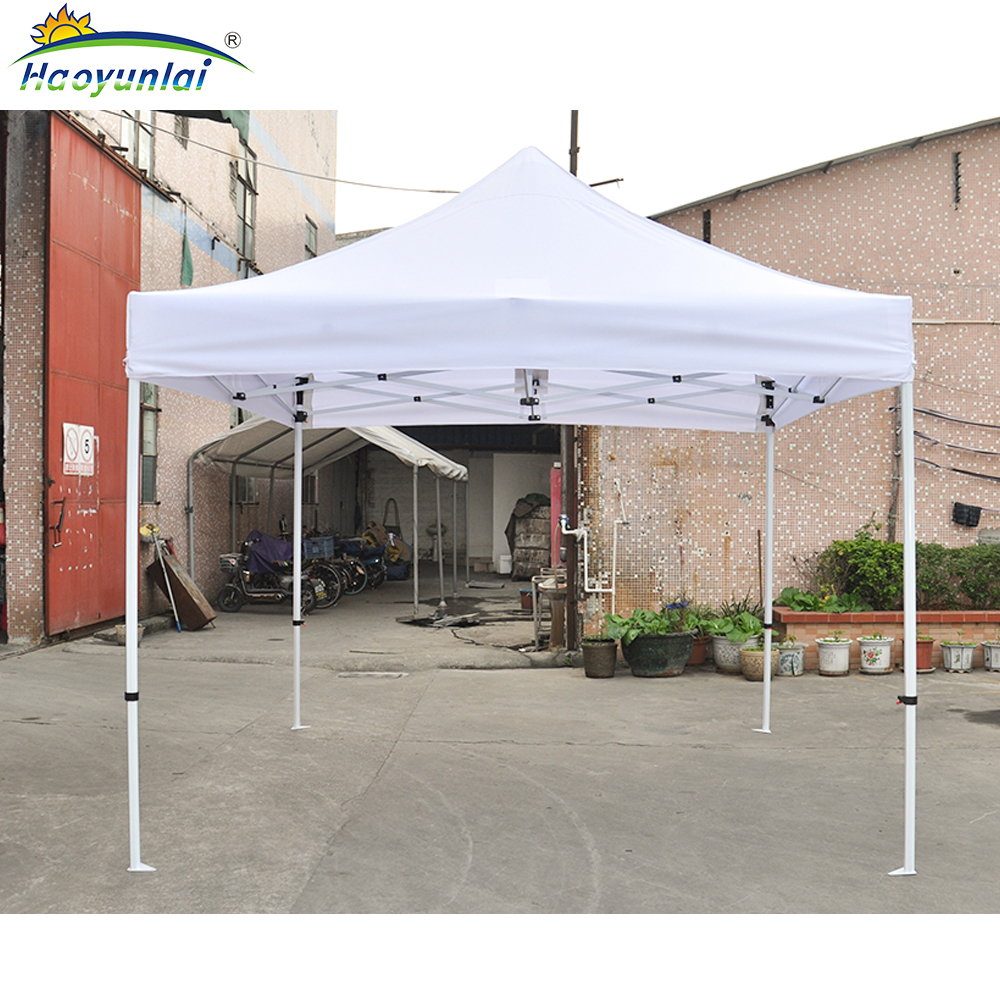 Racing Canopy - Waterproof 40mm HexIron Sport Event Tent
 Advertising Backdrop Banner Wall
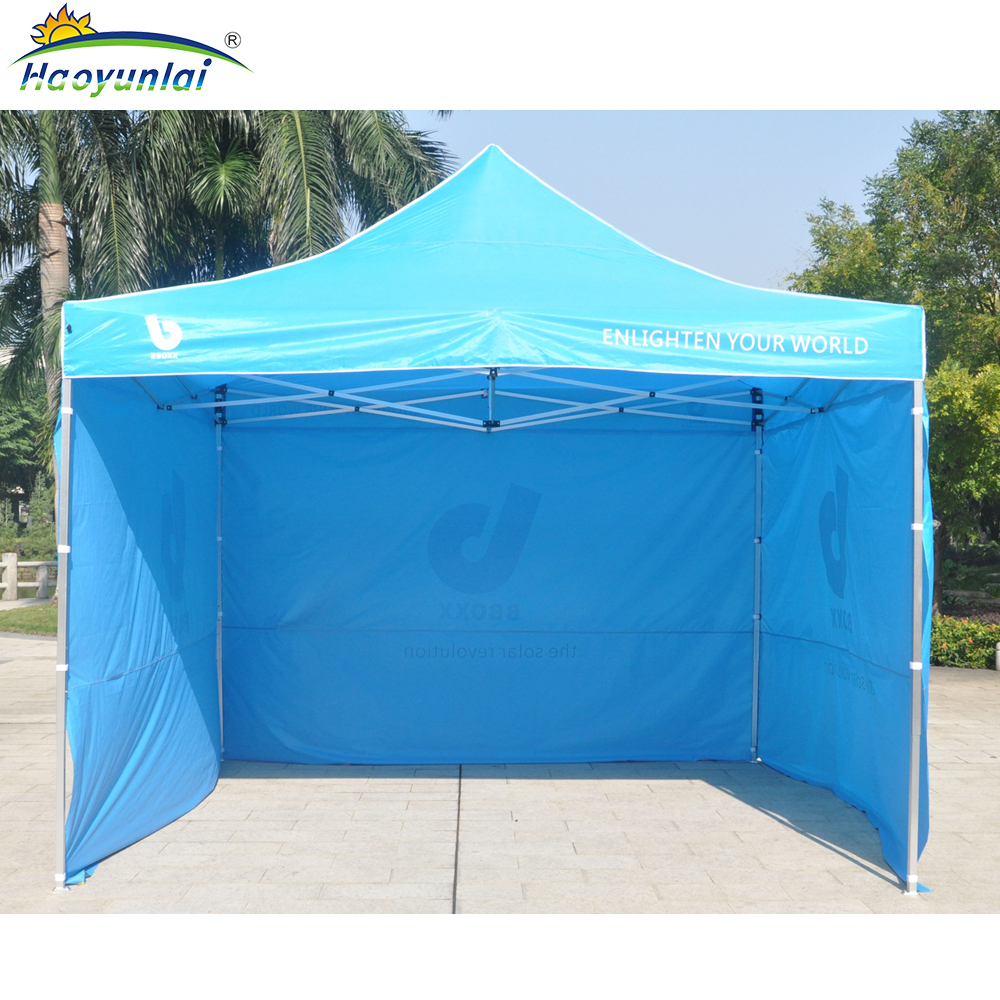 Trade Show 40mm Aluminum Sport EventTent
 80oD Oxford Carry Bag for Tents